The Best Painkiller for Toothache
didsburyadmin2024-09-11T07:05:54+01:00What is the best painkiller for toothache, and are there any at-home remedies that could also alleviate pain? We cover what you need to know.
If you are experiencing a toothache, you probably want to know how to get rid of it as soon as possible. However, this isn’t always done easily, and knowing which medications or painkillers will help you is crucial. The best painkiller for toothache will be what works for you, but there are some popular considerations to look at if you are facing this issue.
A toothache won’t always go away on its own, and can cause additional pain like earaches in some cases. Things like stress can also add to the problem, and in severe cases, a toothache can be treated as an emergency, but this doesn’t mean that you should plan a trip to the A&E.
If you are suffering from a toothache and want to know how to alleviate the pain, we will go through some of the best painkiller for toothache options in this article.
Causes of Toothaches

Unfortunately, there are many different causes for toothaches, and many of them will require medical treatment to rectify. For example, if you are experiencing a toothache from severe malocclusion, taking painkillers won’t solve the problem – you will need to get your teeth straightened. Similarly, tooth decay will need to be dealt with in order for the pain to go away, which may result in a filling or tooth extraction.
It’s important to know what is causing your toothache. As such, we always recommend going to see your dentist if toothache pain persists for three or more days.
Below is a list of common causes of toothaches in individuals:
- Bruxism
- Abscesses
- Tooth decay
- Loose crowns
- Tooth eruption
- Tooth fractures
- Gum infections
- Sinus tooth pain
- Tooth extraction pain
- Bad or damaged fillings
- Food stuck in teeth
- Malocclusion (misaligned teeth)
- Heart disease (particularly angina)
The Best Painkiller for Toothache

There are a number of options to consider when looking for the best painkiller for toothaches. To help you, we have listed four common painkillers that you can get in-store. Please remember to follow instructions when using these painkillers and never go over the recommended dosage.
Ibuprofen
Ibuprofen is the most popular painkiller in the UK, and it can be used for a wide variety of issues. Menstrual symptoms, flue, back pain, and toothaches can all be combated with this NSAID (non-steroidal anti-inflammatory drug) as it helps to reduce inflammation.
Please remember that Ibuprofen should never be taken on an empty stomach since it can cause stomach irritation. Adults should take 400 mg every 4–6 hours, and the NHS can tell you about the dosage for children.
Paracetamol
Paracetamol is a great pain relief option for anyone with a history of ulcers or a sensitive stomach. This painkiller is used for a wide variety of things, from headaches and menstrual cramps to fevers and toothaches.
This product is effective against mild to moderate pain. However, it’s important to follow instructions regarding quantities and time when you take it so that you don’t overdose and cause harm to your liver.
For adults, the recommended dosage is 500 mg every six hours. For paracetamol doses for children, the NHS covers what you need to know.
Benzocaine
This topical pain reliever works as an anaesthetic and numbs the affected area that it gets applied to. You can find benzocaine in products like Orajel™, and it can be purchased in stores like Boots, or ordered online.
If you use this product, please refer to the instructions to see how much you should use. Using too much product or using it too often can have negative side effects.
Bonjela
Bonjela can also be effective in providing some temporary pain relief from a toothache. While this product is made for alleviating pain from mouth ulcers, denture sores, and cold sores, it will help you with a toothache when applied to the gums of the affected area.
Home Remedies to Try

If you are against using medical painkillers like the ones we have mentioned above, or you simply don’t have any in the cupboard, there are a number of at-home remedies that you can try as a painkiller for your toothache, too. We will go through some of the most popular options below.
Rinses
Below are two popular rinses that can help with reducing the pain from toothaches. While these are not the best painkiller for toothache, they can be useful if you find yourself in a pinch:
- Diluted hydrogen peroxide – mix 3% hydrogen peroxide with equal parts water (1:1 ratio) and use it as a mouthwash, but do not swallow it. Hydrogen peroxide can relieve inflammation and pain as it kills bacteria, helps bleeding gums, and reduces plaque.
- Saltwater rinse – salt will help to disinfect your mouth, and the combination of salt and water work well to remove any debris that might be stuck in your teeth that is causing pain. This remedy can also help with wound healing and reducing inflammation.
Topical Treatments
Below are some popular topical at-home remedies that you can try if you have a toothache that you want to alleviate. Again, many of these will not be as effective as something like Ibuprofen or Paracetamol, but they will offer some help if you are in pain:
- Peppermint tea bags – used to help soothe sensitive gums and numb, peppermint tea bags should be heated, then allowed to cool slightly, and placed on the affected area. You could also freeze the tea bag for a few minutes to get the cold compress effect.
- Cold compress – this is particularly effective if there has been trauma (e.g. a facial injury) that has resulted in the toothache. Blood vessels constrict and the pain is reduced. Only place a cold compress on the area in 20-minute increments for a few hours.
- Vanilla extract – due to the alcohol in vanilla extract, the pain of a toothache can be numbed. Additionally, real vanilla contains antioxidant properties that can help with healing.
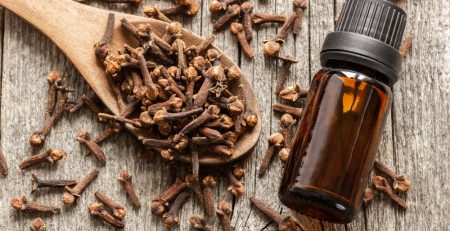
- Clove oil – thanks to the eugenol in cloves, the affected areas can be numbed by applying some of this oil to the parts of your mouth being affected by a toothache. You can use a cotton ball to apply the oil, or mix the clove with a carrier oil (e.g. coconut oil).
- Garlic – garlic is excellent for reducing pain and promoting healing due to the antibacterial You can chew some fresh garlic or crush some into a paste to be applied to the affected or painful areas.
Treat the Cause, Not the Symptoms

The best thing you can do if your toothache persists is make an appointment with your dentist. However, even this depends on the cause. If you are getting a toothache from trauma, then you should go to a dentist immediately. However, if you are experiencing a toothache due to tooth eruption (e.g. a wisdom tooth appearing), then this might not be your immediate go-to.
Final Thoughts

No one wants to get a toothache, and managing the pain can be difficult. However, there are options for you, and you can try over the counter medications like Ibuprofen and Paracetamol, or you can see if any at-home remedies work for you.
At Didsbury Dental Clinic, we’re here to give you your smile back, as well as answer your burning questions – like how long it takes for the hole to close after a tooth extraction. For more information, learn more about our emergency dentists, the cost to go private, or get in touch.
So, what is the best painkiller for toothache? Paracetamol and Ibuprofen are at the top of the list, but options like Benzocaine and even Bonjela will help. Home remedies include different rinses like salt water rinses, or topical treatments, like clove oil, cold compresses, or vanilla extract.