Can You Have Dental Implants With Receding Gums
didsburyadmin2024-11-15T11:47:59+00:00Experiencing toothache and wondering if dental implants are an option when you have receding gums? You’re not alone! Gum recession is a common concern and should be investigated when considering implants.
We’ll explore how gum health affects implant success, what to consider if you’re dealing with receding gums, and why consulting a skilled dental professional is essential.
What Causes Receding Gums?
Receding gums occur when the gum tissue surrounding the teeth pulls back, exposing more of the tooth or its root. This condition can lead to tooth sensitivity, decay, and even tooth loss if left untreated. There are several causes for receding gums, although the primary issues are:
- Gum disease
- Aggressive brushing
- Poor oral hygiene
- Hormonal changes
- Genetics
Gum disease, or periodontitis, damages the supporting tissue and bone that hold teeth in place, gradually causing the gums to recede. Bacterial plaque buildup, which hardens into tartar, can trigger inflammation that causes gum disease to develop. Poor oral hygiene can exacerbate the problem by allowing plaque buildup, leading to gum disease and recession.
However, aggressive brushing can also contribute to receding gums by wearing down the gum tissue and the enamel on teeth, so soft toothbrushes are always recommended.
Additionally, hormonal changes, such as those occurring during pregnancy, menopause, or puberty, can make gums more sensitive and vulnerable to recession. Genetics play a role too, as some people are naturally more susceptible to gum disease and receding gums.
Lastly, lifestyle factors like smoking or teeth grinding (bruxism) can accelerate gum recession. Smoking reduces blood flow to the gums, weakening their resilience, while grinding can put undue stress on the teeth and supporting tissues.
Recognising these causes early is crucial, as timely intervention through improved oral hygiene, regular dental checkups, and professional cleaning can help prevent further gum recession and protect dental health.
Does Gum Disease Cause Bone Loss?
Bone loss in the jaw can indeed be caused by gum disease among other things such as long-term use of dentures. When gum disease progresses, bacteria penetrate below the gum line, triggering an immune response that results in inflammation and the destruction of tissues supporting the teeth, including bone.
As the disease advances, toxins from bacteria break down the bone structure that holds teeth in place, leading to bone loss. This deterioration not only weakens tooth stability, making tooth loss more likely, but also diminishes the overall bone structure in the jaw.
If untreated, periodontitis can lead to significant bone resorption (tissue loss which is absorbed by the body), permanently impacting dental and jaw integrity. Managing gum disease through regular dental care, good oral hygiene, and, in severe cases, specialised treatments like scaling, root planing, or even surgical intervention can slow or stop bone loss, preserving both oral health and jaw structure.
How Can You Treat Receding Gums?
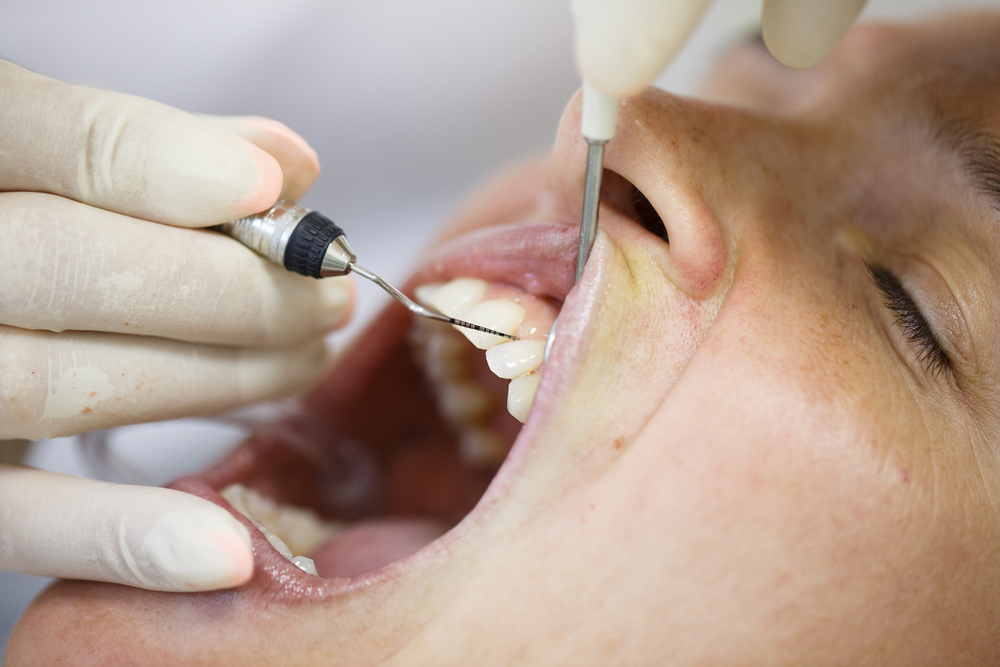
Treating receding gums focuses on halting the progression, protecting the exposed roots, and, in some cases, restoring lost gum tissue. Treatment varies depending on the severity of gum recession, but the primary goal is to reduce inflammation, remove bacterial buildup, and promote gum health.
For mild cases, treatment may involve non-surgical approaches. Deep cleaning, or scaling and root planing, removes plaque and tartar below the gum line, which helps reduce inflammation and prevent further recession. For those with aggressive brushing habits, switching to a soft-bristled toothbrush and using gentle brushing techniques can help prevent further damage.
In more advanced cases, surgical options might be necessary. Gum grafting, where tissue from the roof of the mouth or a donor source is attached to the receding area, can restore lost tissue where it’s significant and provide protection to the exposed roots. Pinhole surgery, a minimally invasive procedure, is another option that involves making small holes to loosen and reposition existing gum tissue over exposed areas.
However, receding gums cannot be cured once significant tissue is lost, as gum tissue does not naturally regenerate like other tissues in the body. However, treatment is necessary to halt further recession and reduce discomfort or sensitivity.
Can You Live with Receding Gums?
While you can live with receding gums, it’s best to prevent them as far as possible, and manage the condition if it takes hold.
Preventing receding gums starts with a good oral hygiene routine. Brushing gently with a soft-bristled toothbrush, flossing daily, and visiting the dentist regularly for professional cleanings help maintain gum health. Avoiding tobacco products and managing conditions like teeth grinding can also reduce the risk.
By taking these preventive steps and seeking treatment early, individuals can protect their gums and reduce the likelihood of significant gum recession or the need for extensive dental procedures.
Mild gum recession may not cause major issues, especially if you maintain good oral hygiene and get regular dental care, however, untreated receding gums can lead to increased sensitivity, discomfort, and a higher risk of decay. If recession advances significantly, it weakens the foundation that supports teeth, which can eventually lead to tooth loosening and even loss. Proper treatment can stabilise the gums, helping to preserve your teeth and avoid long-term oral health issues.
Can You Have Dental Implants With Receding Gums?
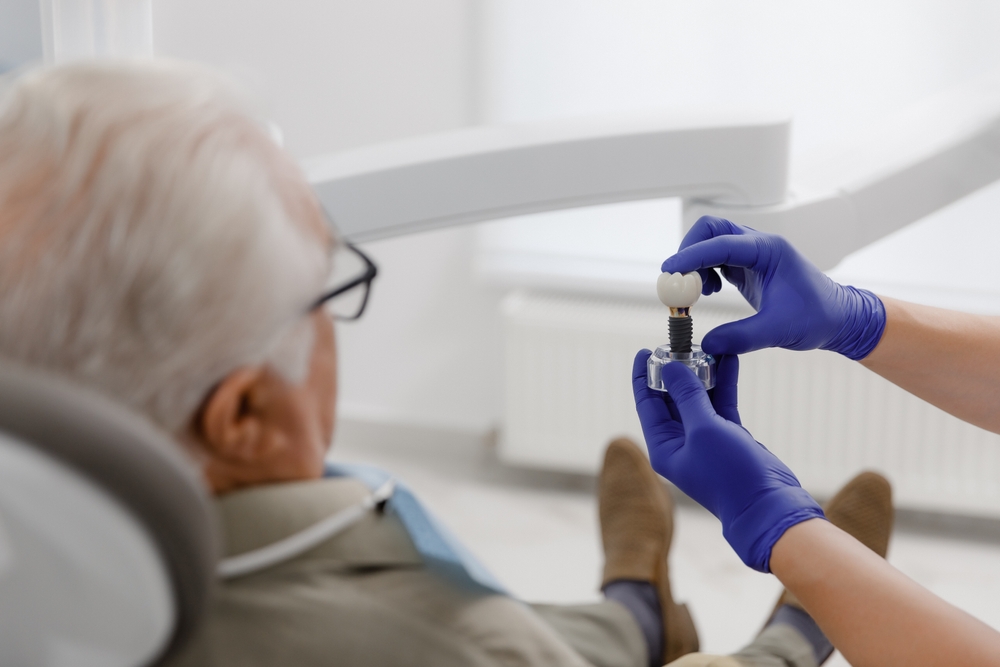
It is possible to have dental implants with receding gums, but the process may be more complex as receding gums expose more of the tooth root or, after tooth loss, reduce the gum tissue over the jawbone. As dental implants rely on a healthy amount of bone and gum tissue for stability and good aesthetics, receding gums can present challenges. However, modern dental procedures offer solutions to overcome these issues.
If gum recession has caused significant bone loss, bone grafting may be necessary before implant placement. Bone grafts can help restore lost bone, providing a sturdy foundation for the implant.
A periodontist or oral surgeon typically performs this procedure, using bone from another part of the body, synthetic materials, or donor sources. After the graft integrates with the jawbone, the implant can be placed with greater security and stability.
For patients with gum recession, a gum graft may also be recommended to reinforce the gums around the implant site. Gum grafting helps improve the aesthetic outcome of the implant and protects the underlying bone, enhancing long-term results.
It’s important to address the cause of gum recession before getting implants, as conditions like untreated gum disease can lead to implant failure. Implants placed in a healthy environment, with adequate gum and bone support, are more likely to succeed, restoring an individual’s smile and function.
Regular dental visits and thorough home care are essential to maintaining implant health.
When is a Dental Implant not Possible?
Dental implants are a popular solution for missing teeth, but they aren’t suitable for everyone. Some cases present health or anatomical challenges that may make implants either difficult or inadvisable.
One key requirement for dental implants is having sufficient bone in the jaw. If significant bone loss has occurred due to prolonged tooth loss, gum disease, or age, there may not be enough bone to securely anchor an implant. While bone grafting can sometimes address this, certain cases may lack the bone density required for a successful outcome.
Active gum disease is another barrier to dental implants, so gum disease must be treated and managed before considering implants. Additionally, health conditions like uncontrolled diabetes or autoimmune disorders can make implants less feasible.
Lifestyle factors also play a role. Heavy smoking, for instance, constricts blood vessels, reducing blood flow to the gums and bone and slowing healing. Similarly, bruxism (teeth grinding) can place excessive force on implants, increasing the risk of implant failure.
Finally, certain medications, like those used for osteoporosis or some chemotherapy drugs, can impact bone health and healing, complicating implant success.
Each person’s suitability for implants varies, so consulting with a dental specialist is essential to determine the best, safest option, whether that’s implants, dentures or bridges.
Visit Didsbury Dental Practice
Dental implants can still be an option if you have receding gums, but it’s essential to seek expert guidance.
At Didsbury Dental Practice, our team is ready to assess your needs, so become a new patient with us for a thorough check-up and personalised advice.
Before you register, check out our information on:
Don’t wait to restore your smile – contact us today to discuss your options for safe, lasting dental implants!