Dental Implants for Seniors: A Complete Guide
didsburyadmin2025-01-22T12:28:53+00:00Discover everything seniors need to know about dental implants in this comprehensive guide, including benefits, suitability, procedures, recovery, and tips for maintaining a confident, healthy smile at any age.
Why Dental Implants Are a Great Option for Seniors
Dental implants are a safe and effective solution for seniors, offering improved chewing ability, speech, and overall quality of life, even for patients in their 70s and 80s. Unlike dentures, implants are permanently anchored to the jawbone, mimicking the function and appearance of natural teeth.
This stability allows seniors to eat a wide variety of foods comfortably, which supports better nutrition and overall health. Implants also prevent the bone loss that often occurs with missing teeth, helping to maintain facial structure and avoid the sunken appearance associated with ageing.
For seniors, dental implants can enhance confidence by providing a natural smile and eliminating concerns about slipping or uncomfortable dentures. Modern advancements make implants accessible to older adults, even those with certain existing health conditions, as long as their overall health and bone density are adequate. With proper care, implants can last a lifetime, making them a durable and worthwhile investment for seniors.
The Implant Procedure: What Seniors Need to Know
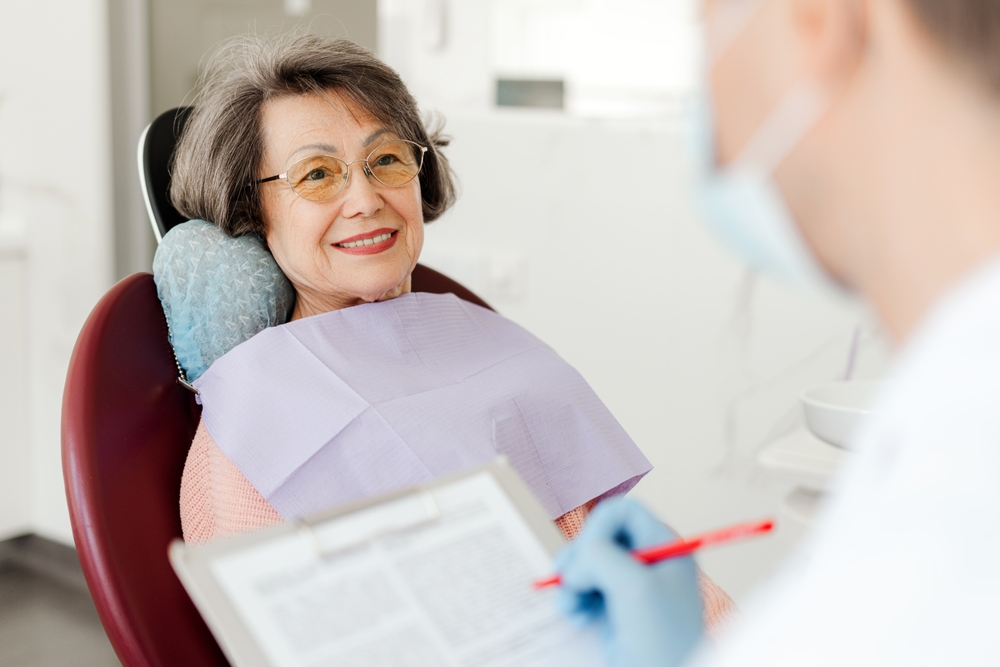
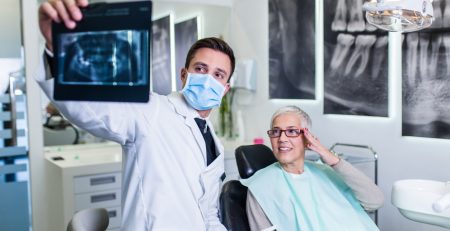
The dental implant procedure involves several stages designed to ensure a secure, long-lasting result. It begins with a thorough consultation where your dentist assesses your oral health, bone density, and medical history. For seniors, it’s especially important to discuss existing health conditions, medications, or bone loss, as these factors can influence the viability of the procedure.
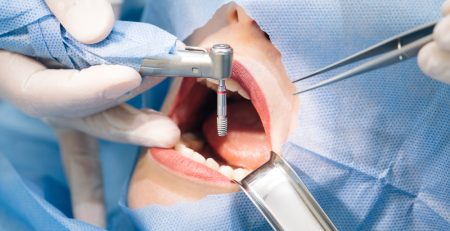
The first step of the actual procedure is placing the titanium implant post into the jawbone. This acts as the tooth root and requires a healing period of 3-6 months, during which the bone fuses with the implant in a process called osseointegration. Seniors with reduced bone density may need a bone graft beforehand to ensure the jaw can support the implant.
Once healed, an abutment is attached to the implant to hold the artificial tooth securely. The final crown is custom-made to match the size, shape, and colour of your natural teeth.
Seniors should be aware that while the process requires multiple visits and some recovery time, it is typically well-tolerated. Maintaining good oral hygiene and attending follow-up appointments are crucial for success. Implants are a long-term solution that can significantly improve eating, speaking, and overall quality of life.
Are Dental Implants Safe for Older Adults?
Dental implants are generally safe and highly effective for older adults, including seniors well into their 80s and 90s. Age is not a limiting factor, as long as the individual is in good overall health. The success of the procedure largely depends on factors such as adequate jawbone density, healthy gums, and the absence of uncontrolled medical conditions like severe diabetes or advanced osteoporosis.
For seniors, it’s especially important to consult with a dentist who will evaluate their specific health profile, including any medications or chronic illnesses, to determine their suitability. Modern techniques and materials make implants a reliable option, with success rates exceeding 95%.
Implants not only restore functionality and aesthetics but also promote bone health by preventing jawbone deterioration. With proper care and regular dental check-ups, they can offer a safe and durable solution for older adults.
Top 5 Benefits of Dental Implants for Seniors

Dental implants offer a range of benefits, particularly for seniors who may face challenges with missing teeth or traditional dentures. Here are the top five advantages.
Improved Functionality and Comfort
Dental implants function like natural teeth, allowing seniors to eat, chew, and speak with ease. Unlike dentures, they are securely anchored in the jawbone, eliminating discomfort or the need for adhesives. This stability enhances daily life and restores confidence in routine activities.
Enhanced Oral and Overall Health
Missing teeth can lead to bone loss in the jaw, which may alter facial structure and lead to further oral health issues. Implants stimulate the jawbone, maintaining its strength and preventing bone deterioration. Additionally, they don’t rely on adjacent teeth for support, preserving the health of surrounding natural teeth.
Longevity and Durability
With proper care, dental implants can last a lifetime, making them a cost-effective and durable solution. For seniors, this eliminates the repeated need for adjustments or replacements often associated with other dental prosthetics like dentures or bridges.
A Natural Appearance
Implants are designed to look and feel like natural teeth, blending seamlessly with a person’s smile. For seniors, this aesthetic improvement can greatly boost self-esteem and make social interactions more enjoyable without the worry of slipping dentures.
Ease of Maintenance
Caring for dental implants is as simple as maintaining natural teeth, involving:
- Brushing
- Flossing
- Mouthwash
- Regular dental check-ups
Unlike removable dentures, there’s no need for soaking or special cleaning solutions, making oral hygiene straightforward and familiar.
For seniors seeking a reliable and transformative dental solution, implants offer a blend of functionality, aesthetics, and health benefits that can greatly enhance their quality of life.
Costs and Financing Options for Dental Implants
Dental implants are a significant investment, with costs in the UK typically ranging from £2,000 to £4,000 per implant at private dental practices. This price includes consultations, X-rays, the surgical procedure, and the crown. Costs can increase if additional procedures, such as bone grafts or sinus lifts, are required.
Dental implants are not available on the NHS, so will need to be paid for privately. For seniors, it’s important to consider not only the upfront cost but also the long-term value. Implants are durable and require less maintenance than alternatives like dentures or bridges, making them a cost-effective solution over time.
Many private dental practices in the UK offer flexible financing options to make implants more affordable. These include payment plans that spread costs over months or years, often with low or zero interest rates. Some practices partner with dental financing companies, enabling patients to access loans for their procedures.
These options are particularly useful for seniors, who may be living on fixed incomes or pensions. By spreading costs, financing ensures that seniors can prioritise their oral health without compromising their financial stability.
Financing options benefit everyone by making premium dental care accessible, ensuring more people can experience the long-term benefits of implants. Discussing costs and payment plans upfront with a dental provider is essential for informed decision-making.
Alternatives to Dental Implants for Seniors

Alternatives to dental implants for seniors include dentures and dental bridges, both of which can be more affordable and less invasive.
Dentures, available as full or partial sets, rest on the gums and are removable for cleaning. They are a practical option for seniors who have multiple missing teeth or insufficient jawbone density for implants. However, they can feel less stable, requiring adhesives and periodic adjustments, and may not prevent jawbone deterioration.
Dental bridges are fixed restorations supported by adjacent natural teeth. They are suitable for replacing one or two missing teeth without surgery. Bridges can be a faster solution, but they involve altering nearby teeth, which may compromise their strength over time. They also do not address bone loss in the jaw.
While these alternatives may suit seniors seeking less complex or lower-cost treatments, dental implants are the gold standard for long-term oral health. Implants provide unmatched stability, a natural appearance, and the added benefit of preserving jawbone structure. They eliminate the need for ongoing adjustments or replacements and function just like natural teeth, significantly improving your quality of life.
Though the upfront cost is higher, the durability and benefits of implants make them a worthwhile investment for most people, particularly seniors aiming for a permanent solution that supports overall health, confidence, and independence.
Why Choose Didsbury Dental Practice for Your Dental Implants?
Didsbury Dental Practice is dedicated to providing exceptional care to help you regain comfort and confidence in your smile. Welcoming new patients into their 24-hour clinic, Didsbury Dental Practice ensures access to top-quality care for all, from routine check-ups to emergency treatment.
Choose Didsbury Dental Practice for your dental implants to benefit from exceptional care and dedicated aftercare tailored to your needs. Their expert team provides guidance on achieving optimal results, such as avoiding dairy post-surgery, selecting effective pain relief, and dispelling common myths. Unlike cheaper options abroad, quality and personalised support are assured.
Considering dental implants? Contact Didsbury Dental Practice today to schedule a consultation and explore tailored implant solutions for seniors!