Why You Should Avoid Dairy After a Dental Implant
didsburyadmin2024-11-25T10:26:38+00:00Avoiding certain foods and drinks after dental surgery is crucial for recovery, but why should you avoid dairy? Let’s take a look.
What is a Dental Implant?
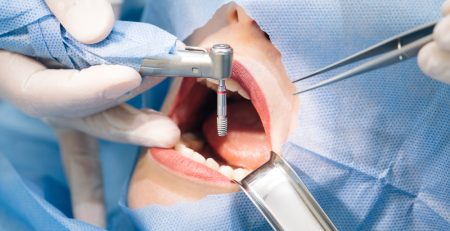
A dental implant is a titanium screw surgically inserted into the jawbone to act as an artificial tooth root. It supports a crown, bridge, or denture, mimicking the function and appearance of natural teeth.
Dental implants are used to replace missing or severely damaged teeth and restore function i.e. chewing and speech, as well as enhance aesthetics. They are a durable alternative to dentures or bridges as, with proper care, dental implants can last 15-25 years or more. Regular dental check-ups and good oral hygiene are essential to keep them for as long as possible.
The process begins with a consultation and X-rays to assess suitability. The implant is surgically placed into the jawbone under local anaesthesia, followed by a healing period (3-6 months) to allow osseointegration (bone fusing with the implant). Once healed, an abutment is attached, and a custom crown is fixed.
Dental implants are ideal for individuals with good oral health and sufficient jawbone density, but they can work for many people. Smokers or those with uncontrolled diabetes may require additional care for implants to be feasible.
Privately, a single dental implant costs £2,000-£3,000 on average, including the crown. NHS implants are rare, available only for medical necessity e.g. for oral cancer patients or people who have suffered major trauma to their mouths and cannot wear dentures, and typically cost £319.10 under Band 3 treatment.
Who Can Get Dental Implants?

Dental implants are suitable for many individuals looking to replace missing teeth, but certain factors can influence their viability. Generally, candidates should have good oral health, healthy gums, and sufficient jawbone density to support the implant. For those with receding gums or bone loss, implants may still be possible with preparatory treatments such as bone grafting or gum tissue augmentation.
Individuals using dentures often explore implants as a more stable, comfortable alternative, as they eliminate the slipping and irritation associated with dentures and provide better chewing efficiency. However, patients must be free of active oral infections or untreated gum disease, as these conditions can compromise the success of the implant.
Those with chronic health issues, such as uncontrolled diabetes or heavy smokers, may face slower healing or an increased risk of implant failure, so dentists may recommend additional precautions or alternatives in such cases.
Ultimately, to determine if dental implants are right for you, a thorough evaluation by a dentist or oral surgeon is essential. Consulting a professional ensures you receive personalised guidance based on your unique needs and oral health.
Eating and Drinking After Dental Surgery
After dental surgery, careful attention to your diet is essential to promote healing and avoid complications. Immediately after surgery, the surgical site is sensitive, and inappropriate foods or drinks can irritate the area, slow recovery, or cause damage to stitches or implants.
Soft foods are recommended during the initial healing phase because they minimise chewing, which could disrupt the surgical site.
Following dental surgery such as a tooth extraction or dental implant, you’re recommended food like:
- Mashed potato
- Scrambled eggs
- Soup
- Soft, seedless fruits
Hard, crunchy, crumbly, or sticky foods, such as nuts, chips, or sweets, should be avoided as they can dislodge stitches, irritate wounds, or lodge in sensitive areas. Spicy or acidic foods can also cause irritation or discomfort.
While being careful of the texture of your food, proper nutrition is vital for healing. Protein-rich foods support tissue repair, while vitamins such as C and A promote faster recovery and strengthen the immune system. Hydration is also crucial for post-surgery recovery.
Depending on the procedure, you can start drinking water at least one hour after surgery, and begin eating at least 3 hours after, to avoid hurting the area of the operation, but your dentist will give you specific guidelines based on your procedure. Typically, soft foods are recommended for the first three days, and you can gradually reintroduce more solid foods as healing progresses, usually after a week, based on your dentist’s advice. Full return to a normal diet may take a few weeks, depending on the complexity of the procedure.
Avoiding Very Hot and Very Cold Food and Drink
After dental surgery, avoiding extreme temperatures in food and drinks is crucial for protecting the surgical site and ensuring proper healing. Consuming iced or very cold food and drink can cause discomfort, numbness, or even slow blood flow in the area, potentially delaying the healing process. Additionally, sucking on ice or cold drinks through a straw should be avoided, as this can create suction and dislodge the blood clot essential for healing, leading to a painful condition known as dry socket.
Similarly, hot drinks or soups should be cooled to room temperature before consumption. Heat can increase blood flow to the surgical site, potentially causing swelling, irritation, or bleeding. Hot liquids may also dissolve or disturb the blood clot protecting the wound, interfering with the healing process and increasing the risk of complications.
For these reasons, it’s best to stick to lukewarm or room-temperature foods and drinks during the early healing period, allowing hot ones to cool and cold things to warm up. This precaution helps minimise irritation and ensures the clot and tissues remain undisturbed. As healing progresses and the dentist confirms recovery, normal dietary habits, including consuming hot or cold items, can be resumed without risking complications.
Why You Should Avoid Dairy After a Dental Implant

After dental implant surgery, avoiding dairy products like milk, yoghurt, and ice cream is often recommended, despite their soft texture. This precaution is primarily due to the presence of live bacteria in these products, which can potentially contribute to an infection at the surgical site.
In the UK, milk is generally pasteurised, which kills harmful pathogens, but it is not typically ultra-heat-treated (UHT), as it is in many other countries including the USA and France. As a result, milk contains some live bacteria, which, although usually harmless or even beneficial for digestion, may pose a risk to an open wound.
Similarly, yoghurt, often praised for its probiotic content, and other fermented dairy products also contain live cultures, which may introduce harmful bacteria into open wounds in the mouth, causing complications
Though ice cream and yoghurt are soft and easy to eat, their cold temperatures can create additional challenges. Cold foods can cause sensitivity or discomfort in the area, delaying healing.
Given these factors, it’s advisable to avoid dairy products for at least a week following dental implant surgery to minimise any risk of infection and pain. Instead, opt for nutrient-rich, soft alternatives.
Warning Signs to Look Out for Post-Surgery
After dental implant surgery, monitoring for signs of complications, particularly infections, is essential for a smooth recovery and to access extra help promptly.
Common symptoms of infection include:
- Persistent swelling
- Redness or pain around the surgical site that worsens
- Pus discharge
- A foul taste
- A persistent unpleasant odour in your mouth
You may not have all of these symptoms, but you should contact your dentist if you have any, or your pain worsens rather than improves after surgery. Fever, chills, or general malaise can also indicate a systemic infection requiring immediate attention.
Other concerning symptoms include
- Difficulty opening your mouth
- Persistent bleeding
- Numbness that doesn’t resolve
If the implant feels loose or the surrounding gum tissue begins to recede, it may signal implant failure or other issues needing urgent evaluation.
You should contact your dentist urgently if you experience any of these signs, as prompt treatment is required to prevent more severe complications.
Seek hospital care immediately if your symptoms become severe or life-threatening, including:
- Difficulty breathing
- Trouble swallowing
- Rapid swelling in the face or neck
- Fever over 39°C that does not respond to medication
Visit Didsbury Dental Practice
Dental implants can still be an option if you have receding gums, but it’s essential to seek expert guidance.
At Didsbury Dental Practice, our team is ready to assess your needs, so become a new patient with us for a thorough check-up and personalised advice.
Before you register, check out our information on:
Don’t wait to restore your smile – contact us today to discuss your options for safe, lasting dental implants!