
Can You Get Dental Implants if You Have False Teeth?
didsburyadmin2024-11-15T11:43:59+00:00There are many different options for replacing and fixing your teeth, but how do you know if they’re suitable for you? We’ll look at getting implants if you’ve already got dentures and which is best for you.
What Are Dental Implants?
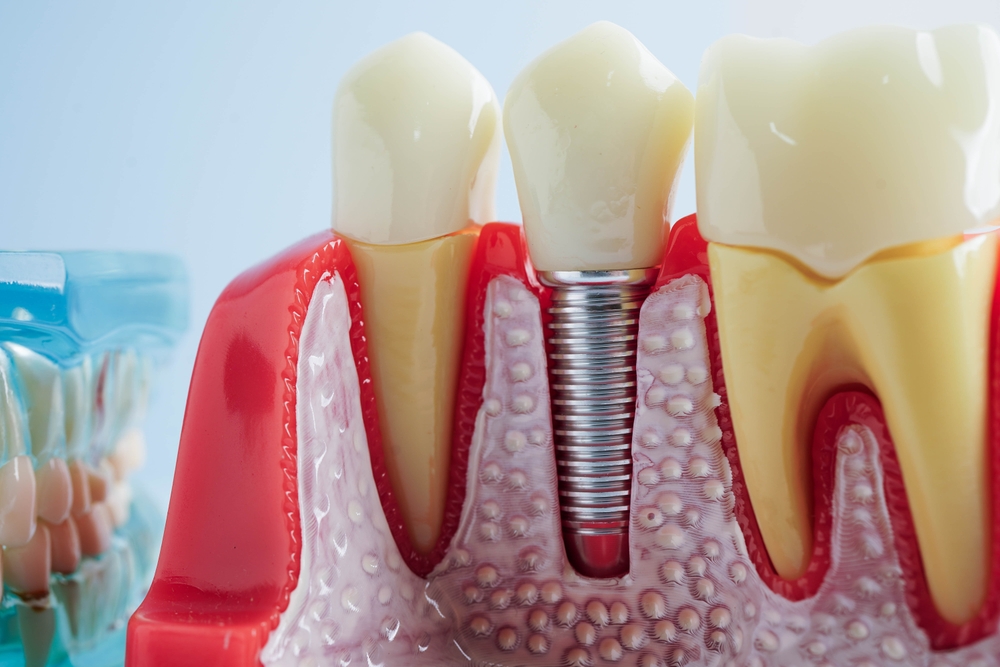
Dental implants are artificial tooth roots made from biocompatible materials, typically titanium, designed to anchor replacement teeth (crowns) securely into the jawbone. Implants are used to replace missing teeth, offering a long-lasting, natural-looking alternative to dentures or bridges. They are ideal for individuals with missing teeth due to decay, injury, or disease, as they help maintain the structure of the jawbone, prevent bone loss, and improve both functionality and appearance.
Implants are composed of three main components:
- The implant screw
- The abutment
- The crown
The implant screw, which resembles a small metal post, is surgically placed into the jawbone and serves as the root of the new tooth. The abutment, a connector, attaches to the implant screw, while the crown is placed on top to mimic the appearance of a natural tooth. The installation process begins with a thorough examination and treatment planning.
First, the implant is surgically inserted into the jawbone, where it undergoes osseointegration, a process in which the bone fuses to the implant. This integration can take several months but is crucial for ensuring the implant’s stability. Once the implant is secure, the abutment and crown are added, completing the tooth replacement.
Dental implants are renowned for their durability and can last 15-25 years or even a lifetime with proper care. Regular dental checkups, good oral hygiene, and avoiding habits like smoking or teeth grinding help increase their longevity.
Implants also help maintain oral health by preserving jawbone density and preventing teeth from shifting, which can occur when gaps are left unaddressed. While implants may have a higher upfront cost, their longevity and ability to mimic natural teeth make them a great investment in both oral health and quality of life.
Can Anyone Get Dental Implants?
Not everyone is an ideal candidate for dental implants, as certain health and anatomical conditions must be met for a successful outcome. Generally, the best candidates are adults with good oral and general health, specifically adequate jawbone density to support the implant. Strong, healthy bone is essential because implants need a stable foundation for osseointegration, the process where bone fuses with the implant for long-term stability.
Those best suited for dental implants are non-smokers, or those willing to stop smoking, as smoking impedes blood flow and healing in the gums and jaw, increasing the risk of implant failure. Good candidates also maintain regular dental hygiene and have manageable overall health conditions, as conditions like uncontrolled diabetes or immune disorders can impair healing and increase infection risk, affecting the implant’s success.
Other factors may disqualify someone from getting implants, either temporarily or permanently, so they need to be addressed before considering dental implants to replace missing teeth. Some of these factors and conditions include:
- Active gum disease
- Severe bone loss
- Some medications such as those used to treat osteoporosis
- Bruxism (teeth grinding)
In cases where implants are unsuitable, alternatives like bridges or dentures may be more appropriate. Consulting a dental specialist is key to assessing personal factors and determining the best tooth replacement option.
Can You Get Dental Implants if You Have False Teeth?
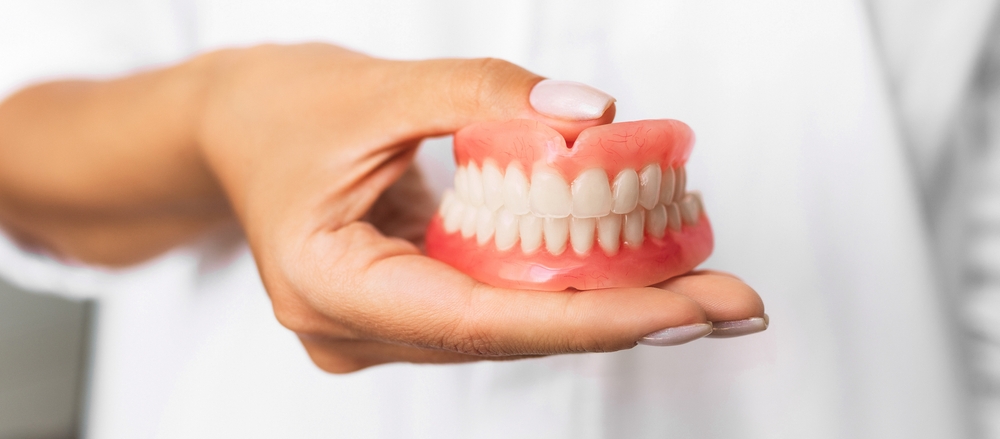
You can get dental implants even if you currently have false teeth, such as dentures. Many people choose to replace removable dentures with implants for a more permanent, stable, and natural-feeling solution, and you can, of course, have dental implants and partial dentures at the same time. Dental implants provide a secure foundation for replacement teeth by anchoring them directly into the jawbone, unlike traditional dentures that rest on the gums and can shift or slip.
If you already have dentures, a dental evaluation is necessary to determine whether implants are feasible. Long-term denture wear can lead to bone loss in the jaw, as dentures don’t stimulate bone growth the way natural teeth or implants do. If significant bone loss has occurred, bone grafting may be required before implants can be placed, to rebuild jawbone density, making the area strong enough to support implants.
There are options for people who want to replace a full arch of false teeth with implants, such as “All-on-4” or “All-on-6” implants. These involve strategically placing four to six implants to support a full arch of replacement teeth. This approach provides the stability of implants with fewer surgical placements, making it more accessible and affordable for those needing full-mouth restoration.
Like bridges, partial dentures can be attached to natural teeth or dental implants for support, keeping them comfortably in place in the mouth, so you can have implants and false teeth together.
Ultimately, switching from dentures to implants can improve comfort, function, and aesthetics, giving a more natural feel and look. Consulting with a dental implant specialist can help you understand your options, the potential need for preparatory treatments, and the best path forward to achieve a stable and lasting solution that suits you.
Implants or Dentures: Which is Better?

Dental implants and dentures are two popular options for replacing missing teeth, each with its unique benefits and considerations. While both aim to restore functionality and improve appearance, they differ in cost, longevity, comfort, and aesthetics. Let’s compare each factor.
Cost
Dental implants in the UK are generally more expensive than dentures. The cost of a single dental implant typically ranges from £1,500 to £2,500, with the overall cost rising if additional procedures like bone grafting or sinus lifts are required. A full set of implants can cost £15,000 or more.
In contrast, dentures are more affordable, with the price for a full set typically ranging from £500 to £1,500, depending on the quality and type. However, dentures may require regular adjustments, relining, and eventual replacements, which can increase the long-term cost.
Both options are cheaper on the NHS, however, with lengthy waits for appointments, for many people this is not a feasible option.
Longevity
Dental implants generally offer superior longevity compared to dentures. With proper care, implants can last 15-25 years or even a lifetime, as they are anchored directly into the jawbone, providing stability and durability.
In contrast, dentures typically need to be replaced every 5-10 years due to wear and changes in the shape of the mouth and gums. While dentures can last a long time with proper care, they are more likely to require adjustments and replacement over the years, requiring more appointments and increasing the cost.
Comfort and Aesthetics
In terms of comfort and aesthetics, dental implants are the superior option. Since implants are integrated into the jawbone, they function and feel like natural teeth, allowing users to chew, speak, and smile with confidence. Implants also maintain the integrity of the jawbone, preventing bone loss that can occur with dentures.
Dentures, although improving appearance, do not provide the same level of comfort or stability. They can shift or slip while eating or speaking, which can cause discomfort or self-consciousness. Over time, or without proper maintenance, dentures may also irritate the gums, causing sore spots.
Implants generally look more natural, as they mimic the shape and function of real teeth, whereas dentures may appear bulky or less realistic, especially if they don’t fit properly.
How to Make the Right Decision
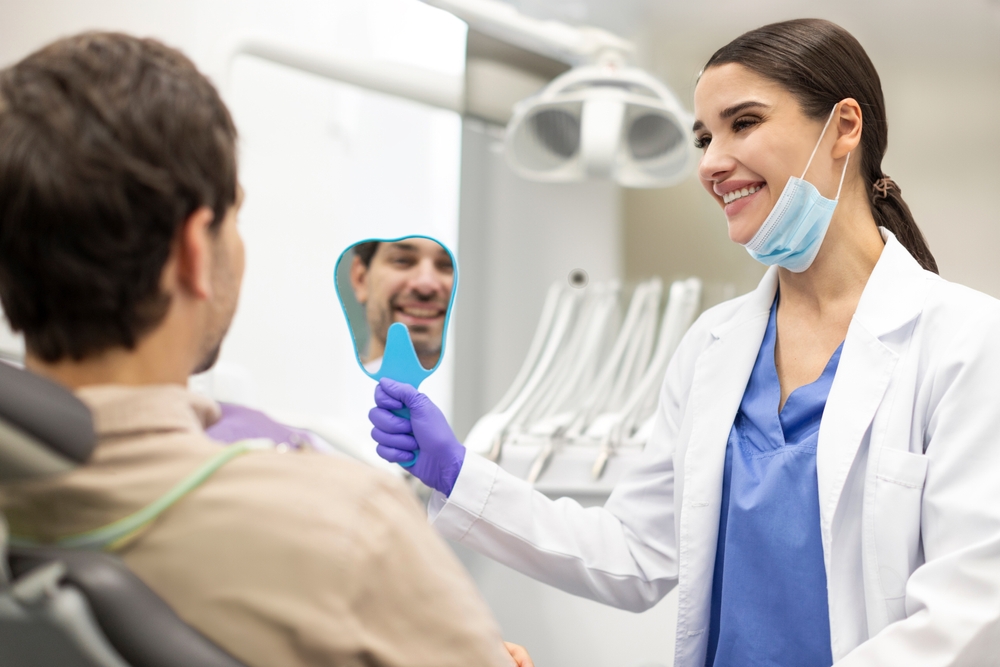
Dental implants offer many long-term benefits making them a preferred option for many looking for a permanent solution to missing teeth. On the other hand, dentures are a more affordable and non-invasive option, making them a suitable choice for those with a limited budget or who may not be able to undergo surgery. However, dentures often require more frequent adjustments, relining, and eventual replacement due to wear and changes in the mouth.
The best choice between implants and dentures ultimately depends on individual needs, preferences, and financial considerations. It is important to discuss your options with your dentist, who can evaluate your overall dental health, jawbone structure, and oral hygiene habits to recommend the most suitable solution.
Visit Didsbury Dental Practice
Whether you need a routine appointment or emergency treatment for toothache, Didsbury Dental Practice is here to help. Learn more about private dentists in the UK, becoming a new patient at our practice, or simply contact us today for an appointment.

