What Can You Eat in the First Week with Braces?
didsburyadmin2025-02-23T12:52:16+00:00Getting braces is an exciting step toward a perfect smile, but the first week can be a little uncomfortable. Choosing the right foods can make all the difference. During the first week with braces, eat soft foods like mashed potatoes, yoghurt, and smoothies to minimise discomfort and protect your brackets. Let’s explore the best options to keep you satisfied and pain-free!
Does Your Diet Matter in the First Week with Braces?
Yes, your diet matters significantly in the first week with braces, as certain foods can affect comfort, healing, and the adjustment process. During this initial period, your teeth and gums may feel sore due to the pressure from the braces, making it important to eat soft, easy-to-chew foods.
Options like mashed potatoes, yoghurt, soups, scrambled eggs, and smoothies help prevent unnecessary discomfort. Cold foods like ice cream or chilled applesauce can also soothe soreness.
Hard, crunchy, or sticky foods should be avoided, as they can damage brackets and wires or make chewing painful. Foods like nuts, popcorn, raw vegetables, and chewy candies can dislodge brackets or get stuck between wires, leading to discomfort and potential orthodontic issues. Cutting food into smaller pieces and opting for softer alternatives, like cooked vegetables instead of raw ones, can make eating easier.
Staying hydrated and maintaining good oral hygiene is also essential, as food particles can easily get trapped in braces. Rinsing with water and brushing after meals help prevent plaque buildup and discomfort. Adjusting to braces takes time, but choosing the right foods in the first week can make the transition smoother and reduce irritation.
What Are the Best Soft Foods to Eat for Comfort and Nutrition?

The best soft foods to eat for comfort and nutrition are those that are easy to chew while providing essential nutrients for overall health. When dealing with dental discomfort, illness, or post-surgery recovery, selecting foods that are both gentle on the mouth and nutritionally balanced is crucial.
Three essential components of your diet post-procedure are:
Three essentials of your recovery diet are:
- Carbohydrateto provides to energy
- P
- Proteins to sto upport healing and muscle maintenance
- Vi
- Vtamins to to help strengthen the immune system and promote overall well-being
Below are some of the best soft food options under these key nutritional categories.
Carbs
Soft carbohydrate-rich foods provide a crucial energy source without causing discomfort. Mashed potatoes, well-cooked pasta, oatmeal, and rice are excellent choices as they require little chewing and are easy to digest. Soft bread, pancakes, and muffins without nuts or seeds can also be comforting.
Soups with blended vegetables and soft noodles offer warmth and nourishment, making them ideal for sensitive teeth or sore mouths. Bananas and apple sauce serve as naturally sweet carbohydrate options that provide fibre for digestion. Choosing whole grains when possible, such as whole wheat pasta or brown rice, ensures a steady release of energy and additional nutrients.
These options help maintain strength and endurance while keeping meals soft and manageable.
Protein
Protein is essential for tissue repair and maintaining muscle mass, and many soft foods can provide adequate amounts. Scrambled eggs, cottage cheese, yoghurt, and tofu are gentle on the mouth while offering high-quality protein. Smooth nut butters, such as peanut or almond butter, provide protein and healthy fats without requiring chewing.
Tender, slow-cooked meats, like shredded chicken or braised beef, are easier to eat when finely chopped. Fish, such as salmon, is naturally soft and packed with omega-3 fatty acids, which support overall health. Protein-rich soups, like lentil or pureed bean soup, deliver both comfort and nutrition.
Incorporating a variety of these foods ensures sufficient protein intake without any discomfort from chewing tough meats.
Vitamins
Vitamins are vital for immune function, healing, and maintaining overall health, and many soft foods are rich in essential nutrients. Blended or mashed fruits and vegetables, such as avocados, cooked carrots, sweet potatoes, and spinach, provide a wealth of vitamins A, C, and K. Smoothies made with yoghurt, berries, and leafy greens are an easy way to consume essential vitamins while keeping meals gentle.
Fortified dairy products, like milk and cheese, offer vitamin D and calcium for bone health. Eggs also provide a range of vitamins, including B12 for energy production. Ensuring a variety of colourful, soft foods helps maintain a well-rounded diet while promoting recovery and comfort.
What to Avoid: Foods That Can Damage Your Braces
When wearing braces, it is important to avoid foods that can damage brackets, wires, or cause discomfort. Hard foods, such as nuts, popcorn, raw carrots, and hard candies, can break brackets or bend wires, leading to additional orthodontic appointments and delays in treatment. Chewy foods like caramel, gum, and toffees can stick to braces, making them difficult to clean and increasing the risk of plaque buildup and cavities.
Crunchy foods, including chips and hard crackers, can put excessive pressure on the braces and cause breakage. Biting into whole fruits like apples or corn on the cob can also dislodge brackets, so they should be cut into small, manageable pieces. Sticky foods, like marshmallows and gummy candies, can get trapped between wires, making oral hygiene more difficult.
To protect your braces and maintain good oral health, it is best to stick to soft, easy-to-chew foods and practice proper brushing and flossing techniques.
Easy Meal Ideas for the First Week
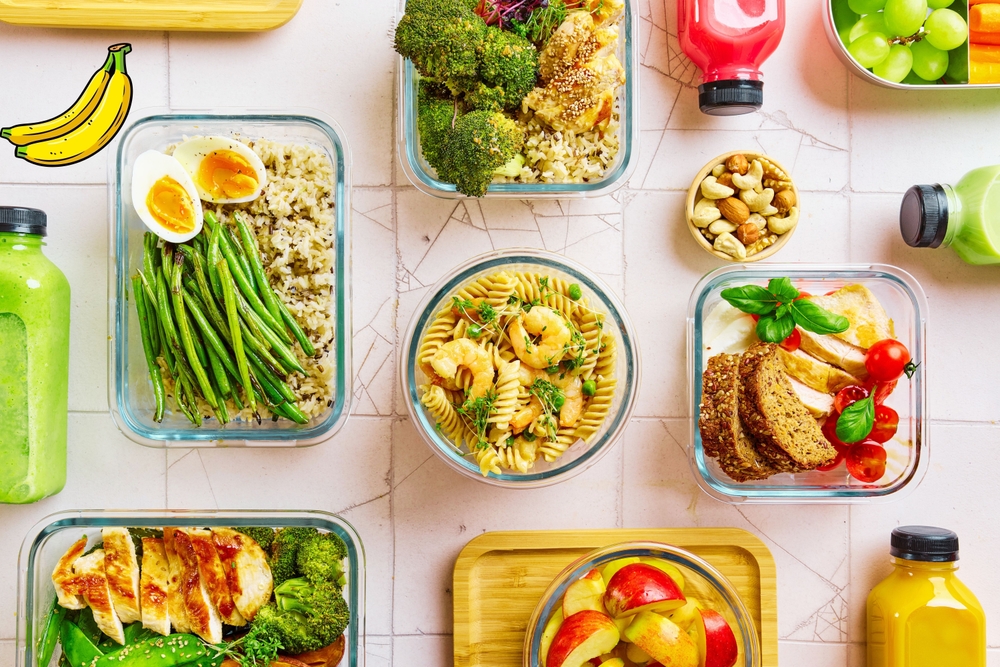
Here we have a selection of suggestions for easy meals to eat in your first week of having braces:
Breakfast:
- Scrambled eggs with soft toast
- Oatmeal with mashed bananas
- Yoghurt with honey or blended fruit
- Smoothies with milk, yoghurt, and soft fruits
Lunch:
- Mashed potatoes with soft cheese
- Blended vegetable soup with soft bread
- Pasta with a creamy sauce (avoiding hard meats)
- Soft sandwich with smooth peanut butter or tuna salad
Dinner:
- Baked salmon with steamed vegetables
- Mac and cheese with soft-cooked broccoli
- Ground or finely chopped turkey with mashed sweet potatoes
- Soft tofu stir-fry with well-cooked rice
Snacks & Desserts:
- Apple sauce or mashed avocado
- Mousse or custard
- Cottage cheese with soft fruit
- Ice cream or frozen yoghurt for soothing relief
In the first week with braces, sticking to soft, easy-to-chew meals can help reduce discomfort while ensuring proper nutrition. Breakfast options like scrambled eggs, oatmeal, and smoothies provide energy without irritating sore teeth. Lunches should include soft, nutritious choices such as mashed potatoes, soups, or pasta with creamy sauces.
Dinners can feature tender proteins like baked fish, soft chicken, or tofu paired with steamed vegetables and mashed sides. Snacks like custard and cottage cheese offer comfort while being easy to eat. Cold treats like ice cream or frozen yoghurt can also help soothe soreness.
By focusing on these gentle meal options, adjusting to braces becomes easier and more comfortable.
What Are the Best Tips for Eating Comfortably with Braces?
Eating comfortably with braces requires patience, adjustments, and choosing the right foods. The first few days may bring soreness, so sticking to soft, easy-to-chew foods like mashed potatoes, yoghurt, scrambled eggs, and smoothies can help minimise discomfort. Cutting food into small, bite-sized pieces and chewing with the back teeth rather than biting into foods directly can also reduce strain on the braces.
Avoiding hard, crunchy, and sticky foods is essential to prevent damage to brackets and wires. Instead of biting into whole apples or corn on the cob, slicing them into smaller pieces makes them easier to eat. Drinking plenty of water helps wash away food particles that can get stuck in braces, reducing the risk of plaque buildup.
Eating slowly and taking smaller bites can also prevent unnecessary pressure on teeth, and using orthodontic wax can help reduce irritation from brackets while chewing.
Lastly, maintaining good oral hygiene by brushing and flossing after meals ensures braces stay clean and free from food debris, promoting both comfort and dental health. By making small adjustments and choosing appropriate foods, eating with braces can become a much smoother experience.
How Didsbury Dental Practice Can Support Your Orthodontic Journey
Didsbury Dental Practice is a trusted private dentist in Manchester, offering expert care with transparent fees and flexible finance options. Open 24 hours, we’re always available – whether for routine check-ups or urgent needs like a toothache. With advanced technology, special offers, and a patient-focused approach, we ensure high-quality, stress-free dental care whenever you need it.
Adjusting to braces? Let Didsbury Dental Practice guide you through your orthodontic journey with expert advice and personalised care. Contact us today for more braces-friendly tips!