Can Braces Fix an Overbite?
didsburyadmin2025-02-23T12:56:34+00:00An overbite occurs when the upper front teeth overlap the lower teeth more than usual, affecting both appearance and dental health. Many people wonder: can braces fix an overbite?
The good news is that braces are one of the most effective treatments for correcting this common issue. By gradually shifting the teeth and realigning the jaw, braces can improve your bite and overall smile. In this blog, we’ll explore how braces work to fix an overbite and what to expect during treatment.
What Is an Overbite and Why Does It Need Treatment?
An overbite is a dental condition where the upper front teeth overlap the lower front teeth more than normal, and treatment is often necessary to prevent oral health issues and improve function. While a slight overbite is common, a significant overlap can cause problems such as:
- Difficulty chewing
- Speech issues
- Excessive tooth wear
- Jaw pain
Severe cases may even lead to gum damage if the lower teeth bite into the roof of the mouth.
Untreated overbites can contribute to temporomandibular joint (TMJ) disorders, leading to chronic jaw discomfort and headaches. They can also increase the risk of cavities and gum disease, as misaligned teeth are harder to clean properly. In children, an overbite can worsen with growth, making early intervention beneficial.
Treatment options vary based on severity; braces or clear aligners are commonly used to gradually shift teeth into better alignment. In more severe cases, orthodontic appliances like bite correctors or even jaw surgery may be necessary. Correcting an overbite not only improves function but also enhances facial aesthetics and boosts confidence.
Early diagnosis and treatment can prevent long-term dental complications. Regular dental check-ups allow orthodontists to assess bite alignment and recommend appropriate interventions. Addressing an overbite improves oral health, reduces discomfort, and contributes to a more balanced, functional bite.
Can Braces Fix an Overbite? How the Process Works

Braces can fix an overbite by gradually moving the teeth and jaw into proper alignment, typically taking 12-24 months depending on severity. Orthodontic treatment involves applying consistent pressure to reposition the teeth and, in some cases, guide jaw development. The process starts with a consultation, where an orthodontist assesses the bite and creates a customised treatment plan.
Traditional metal or ceramic braces use brackets, wires, and elastics to shift teeth into the correct position. In cases of severe overbites, additional appliances like rubber bands or bite-correcting springs may be used to adjust the alignment of the upper and lower jaws.
Over time, these forces help reduce the excessive overlap of the front teeth. Clear aligners, like Invisalign, can also be an option for mild to moderate overbites, though braces are often preferred for more complex corrections.
For growing children and teens, special orthodontic devices such as palatal expanders or functional appliances may be used to influence jaw development, preventing the need for more invasive treatments later. In adults with a severe skeletal overbite, orthognathic surgery may be recommended alongside braces to reposition the jaw properly.
Once the teeth and jaw are in alignment, a retainer is necessary to maintain the results and prevent relapse. Retainers help keep teeth in their new positions while the surrounding bone and tissues stabilise. Correcting an overbite with braces not only improves function but also enhances facial symmetry, prevents dental wear, and reduces the risk of future oral health problems.
Are There Different Types of Braces?
Yes, there are different types of braces used for overbite correction, mainly:
- Traditional metal braces
- Ceramic braces
- Lingual braces
- Clear aligners
Metal braces are the most effective for severe overbites, while ceramic braces offer a discreet option. Lingual braces are hidden behind teeth, and clear aligners work for mild cases.
Metal Braces
Traditional metal braces are the most common and effective orthodontic treatment for correcting overbites. They consist of metal brackets bonded to each tooth, connected by archwires and secured with elastic bands. An orthodontist periodically tightens the wires to apply pressure, gradually shifting teeth and the jaw into proper alignment.
Metal braces are highly durable and suitable for all levels of overbite severity, including severe cases that require significant jaw correction with additional elastics or appliances.
Ceramic Braces
Ceramic braces function like metal braces but use clear or tooth-coloured brackets for a more discreet appearance. They are bonded to teeth and connected with wires, applying steady pressure to correct alignment over time.
While effective for overbite correction, ceramic braces are slightly more fragile than metal ones, making them better suited for moderate cases. They provide an aesthetic option for individuals seeking less noticeable treatment while still benefiting from traditional orthodontic mechanics.
Lingual Braces
Lingual braces are similar to metal braces but are placed on the back of the teeth, making them virtually invisible. Custom-made brackets and wires apply pressure to reposition teeth and correct overbites.
While effective, lingual braces can be more uncomfortable initially and may take longer to adjust. They are ideal for patients who want a hidden orthodontic solution but still need the comprehensive correction that traditional braces provide, particularly for moderate to severe overbites.
Clear Aligners
Clear aligners, such as Invisalign, are removable plastic trays that gradually shift teeth into alignment. They are custom-made and replaced every one to two weeks to continue progressing the correction.
While aligners work well for mild to moderate overbites, severe cases may require additional attachments or elastics. They offer a nearly invisible, comfortable alternative to braces but require consistent wear (20-22 hours per day) for successful results.
Invisalign vs. Traditional Braces: Which Is Best?
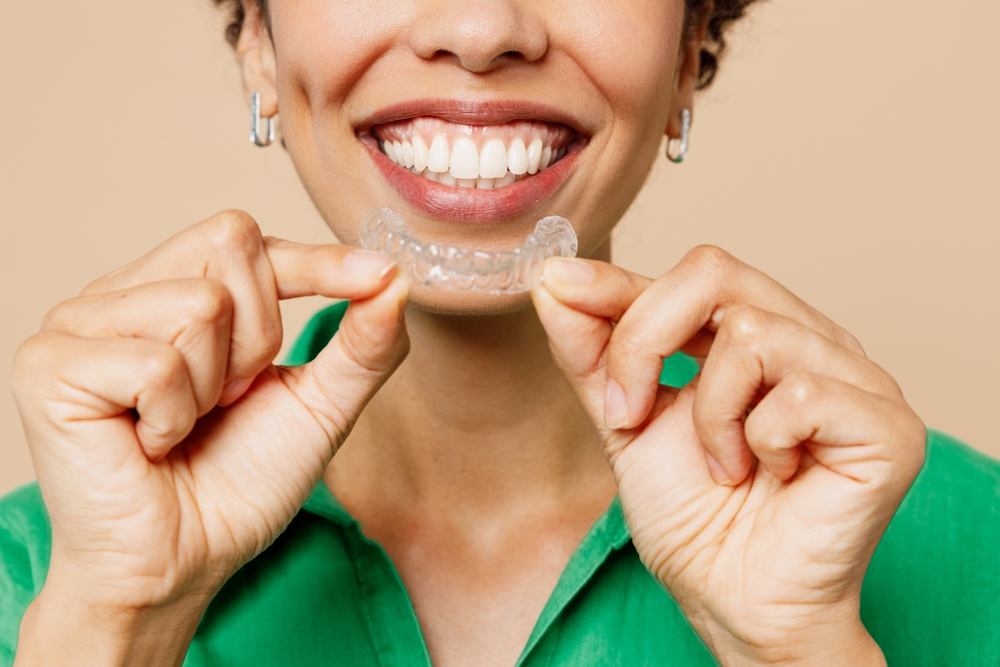
The best choice between Invisalign and traditional braces depends on the severity of the overbite, lifestyle preferences, and treatment goals. Traditional braces are typically more effective for severe overbites and complex orthodontic issues because they provide continuous pressure and precise control over tooth movement. Made of metal or ceramic brackets attached to the teeth, they can be combined with elastics or additional appliances to correct significant misalignments.
Invisalign, on the other hand, is a more discreet and comfortable option, using a series of clear plastic aligners that gradually move the teeth. It works best for mild to moderate overbites and requires patients to wear aligners for 20-22 hours per day. Unlike braces, Invisalign is removable, allowing for easier eating and cleaning, but its success depends on patients using it as recommended.
For those seeking a nearly invisible treatment and fewer dietary restrictions, Invisalign is ideal. However, patients with more complex overbites may achieve better results with traditional braces. The choice ultimately depends on the orthodontist’s recommendation and the patient’s commitment to maintaining treatment guidelines.
How Long Does It Take to Fix an Overbite with Braces?
Fixing an overbite with braces typically takes between 12 to 24 months, depending on the severity of the misalignment and the patient’s response to treatment. Mild overbites may be corrected in about a year, while more severe cases requiring significant tooth and jaw movement can take closer to two years or longer.
The process begins with braces applying gradual pressure to shift teeth into proper alignment. In moderate to severe cases, additional orthodontic appliances such as elastics, bite correctors, or even palate expanders may be used to assist jaw repositioning. Regular orthodontic adjustments ensure steady progress.
Patient compliance plays a crucial role in treatment duration to help achieve results more efficiently, such as:
- Wearing rubber bands as prescribed
- Maintaining good oral hygiene
- Attending scheduled orthodontic visits
After braces are removed, a retainer is necessary to prevent relapse. Each case is unique, so the exact timeline varies based on individual dental needs.
Why Choose Didsbury Dental Practice for Your Orthodontic Care?
Didsbury Dental Practice is a trusted private dentist in Manchester, committed to expert care with transparent fees and flexible finance options. As a 24-hour practice, we’re always here – whether for routine check-ups or emergency treatment. We prioritise patient comfort, welcoming new patients with high-quality care.
With special offers, advanced technology, and an experienced team, we make dental care more affordable and stress-free. Choose Didsbury Dental Practice for top-quality, accessible treatment whenever you need it.
Considering braces for overbite correction? Book a consultation with Didsbury Dental Practice today and take the first step toward a confident, healthy smile!
You can also take a look at our FAQs page, or check out another of our blogs, such as: