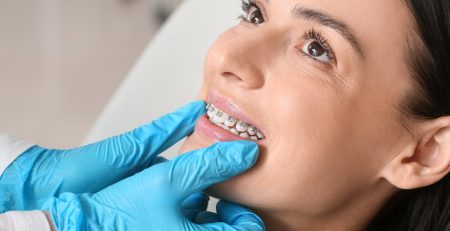
Do Braces Hurt? What to Expect
didsburyadmin2025-02-17T18:36:34+00:00Getting braces is an exciting step toward a straighter smile, but many people wonder, “Do braces hurt?” The truth is, while they can cause some discomfort, the pain is usually mild and temporary.
Understanding what to expect can help ease any anxiety. From the initial fitting to routine adjustments, your teeth and gums may feel sore, but with simple remedies and time, you’ll adjust. In this blog, we’ll explore the experience of wearing braces and how to manage any discomfort.
Do Braces Hurt? What You Need to Know
Braces don’t usually hurt when first applied, but mild discomfort is common for a few days as teeth begin to shift. Over-the-counter pain relief and soft foods can help manage any soreness. Let’s look at the procedure of getting braces in the first place and what level of discomfort you may expect afterwards.
The Procedure
Getting braces fitted is a straightforward, usually painless procedure. The orthodontist starts by cleaning and drying your teeth, then applies a special adhesive to attach brackets to each tooth. Once the brackets are in place, they thread an archwire through them and secure it with small rubber bands. You might feel pressure during this process, but not pain.
After the fitting, mild discomfort or soreness is common as your teeth start adjusting to the new pressure. This discomfort usually peaks within the first few days and subsides after about a week. Over-the-counter painkillers like ibuprofen can help manage any soreness you may feel.
Eating soft foods like yoghurt, mashed potatoes, and smoothies can also ease discomfort. Applying orthodontic wax to brackets may prevent irritation to the inside of your mouth. As your mouth adjusts, the discomfort will lessen, but slight soreness may return after routine adjustments.
Post-Procedure
After having braces fitted, it’s normal to experience mild to moderate discomfort rather than sharp pain. This discomfort often feels like pressure or aching in the teeth and gums as they begin shifting.
The soreness usually peaks within the first 1-3 days and gradually eases over the following week. You might also feel irritation on your cheeks and lips from the brackets rubbing against the soft tissue, but this lessens gradually.
Managing this discomfort involves over-the-counter painkillers like ibuprofen, eating soft foods to reduce pressure on your teeth, and applying orthodontic wax to minimise irritation. Rinsing with warm salt water can also help to soothe sore gums.
Once your braces are removed, there’s usually no pain, but some people experience temporary sensitivity as their teeth adjust to the lack of pressure. This sensitivity typically fades within a few days. Wearing a retainer as instructed will help maintain alignment and minimise any lingering discomfort.
Simple Ways to Reduce Discomfort from Braces

Discomfort from braces is common, especially after initial fitting or routine adjustments, but there are simple ways to manage it. Over-the-counter painkillers like ibuprofen or paracetamol can help reduce soreness in the teeth and gums. Taking these before an adjustment can even prevent discomfort from becoming too intense.
Switching to soft foods can also ease pressure on sensitive teeth. Avoiding hard, crunchy, or sticky foods will prevent additional strain or damage to the braces. Cold foods like ice cream or chilled water can also numb the area, offering temporary relief.
To manage irritation caused by brackets rubbing against the cheeks and lips, orthodontic wax can be applied over the brackets to create a smooth surface. Rinsing with warm salt water can soothe any sores or inflamed gums, promoting faster healing. Staying hydrated and maintaining good oral hygiene is essential to prevent further discomfort from plaque buildup or food particles stuck in the braces.
For ongoing relief, consider using an orthodontic silicone mouthguard, especially during sleep or physical activities. While some discomfort is inevitable, these simple strategies can make wearing braces more manageable and keep your mouth feeling as comfortable as possible.
What to Eat When Your Braces Feel Sore
At times your braces may feel sore, whether they’ve just been fitted, they’ve been adjusted, or they simply pain you more on one day, it’s best to eat soft, comforting foods to ease any pain around your teeth and gums.
Great foods to eat when your braces feel sore are:
- Mashed potatoes
- Yoghurt
- Smoothies
- Scrambled eggs
- Apple sauce
- Porridge
- Soft cheeses
- Soups and broths
- Steamed or roasted vegetables
- Pasta and noodles
- Rice and soft grains
- Custard and soft puddings
- Soft bread without crust
- Bananas and other soft fruits without small pips
When your braces feel sore, soft, easy-to-chew foods can help minimise discomfort while still providing essential nutrients. Mashed potatoes, scrambled eggs, and porridge are warm, comforting options that require little effort from your teeth. Yoghurt, smoothies, and soft cheeses provide calcium and protein while being gentle on sore gums.
Soups and broths not only soothe but also keep you hydrated, while steamed vegetables, like carrots or courgette, are tender enough to eat without causing pain. Pasta, noodles, and rice are soft-carb options that are easy to chew as well as filling. For snacks or desserts, opt for apple sauce, custard, jelly, or anything soft and sweet, that will help you feel good without hurting your gums.
Soft fruits like bananas are easy to eat without much chewing, while soft bread without crust makes a good base for sandwiches. Avoid hard, crunchy, or sticky foods that can worsen discomfort or damage your braces.
When to Contact Your Dentist About Pain from Braces
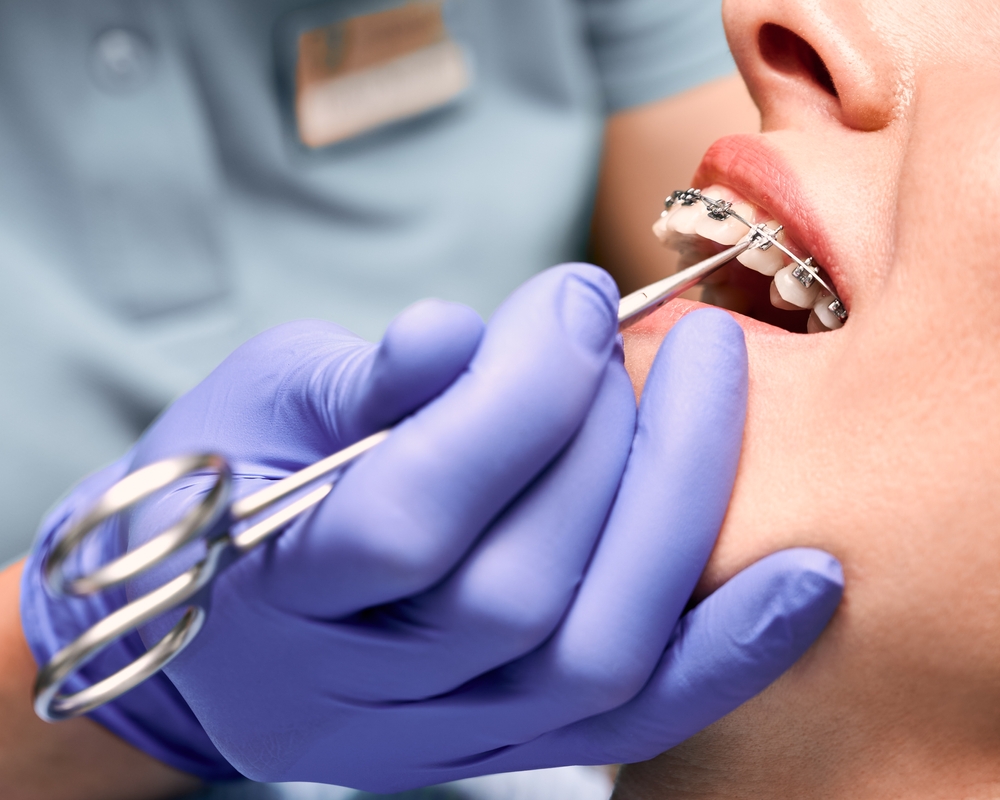
While some discomfort is normal when wearing braces, certain signs may indicate that you should contact your dentist or orthodontist. Mild soreness and pressure, especially after initial placement or adjustments, typically subside within a week. However, if the pain is severe, persistent, or worsening over time, it may signal an underlying issue that requires professional attention.
You should contact your dentist if you notice sharp, stabbing pain that doesn’t improve with common painkillers, as this could indicate a problem with the braces or the positioning of your teeth. Similarly, if you develop sores, ulcers, or bleeding that won’t heal, it’s essential to get it checked to prevent infection.
Broken or loose brackets, wires poking into your cheeks or gums, or bands that have come off can cause significant discomfort and need immediate correction. If you experience swelling, fever, or signs of an infection, such as pus or severe gum tenderness, seek dental care promptly.
Additionally, if your braces cause pain when you’re not eating or speaking, or if you experience sudden jaw stiffness or difficulty opening your mouth, these could be signs of more serious complications like temporomandibular joint (TMJ) issues and require prompt attention.
It’s always better to err on the side of caution; persistent pain or unusual symptoms shouldn’t be ignored, and your orthodontist can make adjustments or recommend solutions to alleviate discomfort and ensure your treatment progresses smoothly.
Why Choose Didsbury Dental Practice for Your Orthodontic Care
Didsbury Dental Practice is a leading private dentist in Manchester, offering top-quality care with a focus on patient comfort and satisfaction. As a 24-hour practice, we are always available, whether you need routine care or an emergency dentist for unexpected dental issues. Our philosophy is centred on providing compassionate, professional care tailored to your unique needs.
We welcome new patients and are proud of our transparent treatment fees, ensuring you know exactly what to expect without hidden costs. To make dental care accessible, we offer flexible dental finance options, allowing you to spread the cost of treatments. We also have regular special offers to help make maintaining your oral health more affordable.
At Didsbury Dental Practice, we combine state-of-the-art technology with a highly experienced team, ensuring every visit is comfortable and effective. Whether you need cosmetic treatments, routine check-ups, or urgent care, our commitment to excellence ensures you receive the best possible service. Our friendly staff will guide you through every step of your treatment, making your dental journey smooth and stress-free.
Choose Didsbury Dental Practice for expert care, flexible payment options, and round-the-clock support, all in the heart of Manchester.
Thinking about braces? Let Didsbury Dental Practice guide you through a comfortable orthodontic journey. Contact us today to book a consultation!
You can also check out our FAQs page!