Is It Normal to Have Toothache After a Filling
didsburyadmin2024-11-08T12:19:05+00:00Is it normal to have toothache after a filling? How long does this last? We will go through what you need to know in this article, so keep reading.
Most, if not all of us, will experience a toothache at some point in our lives. This can lead to a number of other problems, including sinusitis and earaches in serious cases. However, if you have just had a filling put in, and you’re dealing with pain, you might wonder – is it normal to have toothache after a filling?
With how common fillings are, and the fact that you will probably need to get at least one in your lifetime, maybe we can help you feel a bit less anxious about the process, should you ever find yourself face-to-face with the possibility.
At Didsbury Dental Clinic, we can answer your burning questions, like if a toothache can count as an emergency, or if stress can cause toothaches. You might want to know if you can go to A&E with a toothache, or why toothaches get worse at night, and we have all the answers.
What Happens When You Get a Filling?
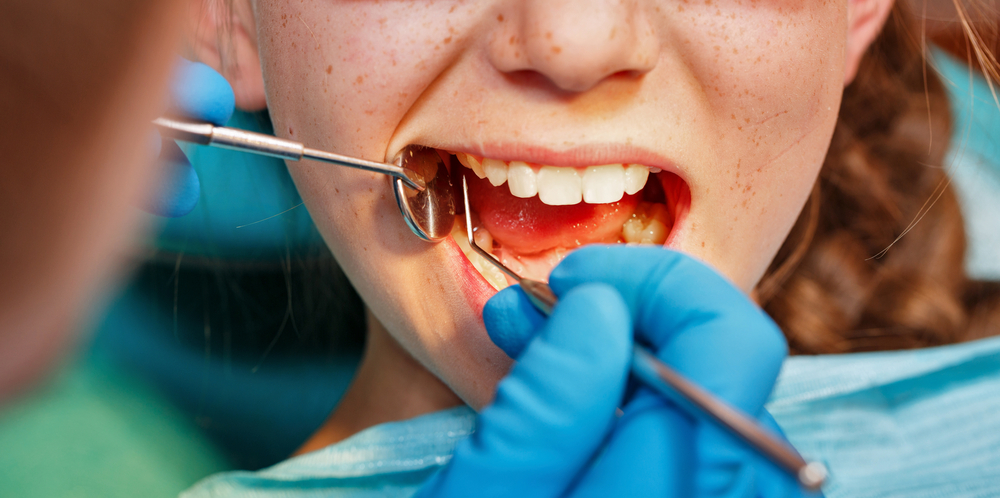
If you need to get a filling, the decayed or damaged parts of the tooth will be removed, and the tooth will be cleaned. Then, the appropriate filling type will be chosen, and the filling will be put in the tooth. In some cases, the filling might need to be set with UV light or another method before the final touches are done, and the process is complete.
Over time, fillings are likely to fall out or wear down due to everyday use. So, when this happens, you will need to visit the dentist again to get a replacement. This is completely normal, so don’t let it worry you – it’s simply a new part of life.
Is It Normal to Have Toothache After a Filling

To answer the question ‘is it normal to have toothache after a filling’ the answer is unfortunately yes. However, this toothache or pain shouldn’t last too long, and it shouldn’t be severe. Once the filling has been inserted, you can expect to experience some level of pain or discomfort for up to a week, and sensitivity can last for over a month.
Although getting a filling isn’t painful thanks to injections and numbing gel, you do need to be aware of the fact that you will likely need to alter your short-term lifestyle as you recover. Areas where decayed parts of the tooth that have been removed will feel tender, but it is certainly worth removing it to save yourself from future pain and trouble.
What Can Cause This Pain?
There are several potential causes for toothache after a filling has been put in, and it isn’t always easy to determine the cause. However, once the initial pain and sensitivity is gone from the procedure, then we can start to narrow down potential causes.
One of the most common causes for toothache after getting a filling is malocclusion. This means that your bite has been altered, and your teeth are not fitting together correctly, and is therefore altering your bite and causing discomfort. In this case, the height of your filling will need to be adjusted by your dentist to ensure that you can bite down without pain or discomfort.
The second explanation could be the type of filling you received. Some people have sensitivities to certain materials, and some fillings are more likely to cause a reaction than others. In the cases where you react badly to a filling, it will need to be replaced for a different material, and you will likely find that you will heal perfectly.
How to Make Toothache and Sensitivity More Manageable After You Get a Filling

There are a number of things that you can do to help ease the discomfort after you get a filling. From managing the pain itself via various pain relief methods to making alterations to your lifestyle to make the issue worse, we will go through the important points in the sections below.
Pain Relief
Not all toothaches will go away on their own, and using heat for a toothache is not always recommended unless you know the underlying cause. In cases of toothache from braces or tooth fillings, heat will not be a good option to relieve pain.
Luckily, though, there are a number of ways that you can help with pain relief from a filling that will be safe and effective:
- Cold compress – this is particularly effective if there has been trauma (e.g. a facial injury) that has resulted in the toothache. Blood vessels constrict and the pain is reduced. Only place a cold compress on the area in 20-minute increments for a few hours.
- Painkillers – painkiller options such as Ibuprofen, Paracetamol, or Bonjela are all very effective in helping to relieve pain from toothache, no matter the cause. However, please be mindful of the dosage if you choose to use this route, and be careful not to go over it.
- Clove oil – thanks to the eugenol in cloves, the affected areas can be numbed by applying some of this oil to the parts of your mouth being affected by a toothache. You can use a cotton ball to apply the oil, or mix the clove with a carrier oil (e.g. coconut oil).
There are various other methods that you can try in addition to the ones we have listed above, including using peppermint tea bags, vanilla extract, or even garlic. Thanks to the antioxidant (vanilla) and antibacterial (garlic) properties, these can be excellent methods to help with toothache, but they might not be as effective as the three we discussed above.
Foods and Drinks to Avoid
After getting a filling, your dentist will recommend that you avoid a number of foods in the days after your procedure. This will help you manage the pain, and not listening to this advice can lead to unnecessary sensitivity, discomfort, and pain on your end.
We are likely to recommend avoiding the following for about a week:
- Very hot foods and drinks
- Very cold foods and drinks
In addition to this, we are likely to recommend that you make small changes to your lifestyle to ensure that the filling lasts as long as possible. This could mean:
- Avoiding foods that are very sticky (like toffee sweets)
- Avoiding foods that are very hard (like some nuts and sweets)
When Should You Visit Your Dentist?

You should make an appointment with your dentist if you are experiencing significant pain after getting a filling. Remember that the pain or toothache after you get a filling should not be excruciating, so if this is the case, something is probably wrong, and you would benefit from a check-up.
With that being said, we do advise you to wait a few days if you can to see if the pain improves. You can use painkillers to help with this, but remember to stick to the recommended dosage. If there is no improvement, then we would be more than happy to help.
Final Thoughts

Here at Didsbury Dental Practice, we offer emergency dentists in Manchester, and can help with a wide variety of dentistry. From dentures to Invisalign, we want to give you the confidence to smile how you used to. If you have any other burning questions – like if you can get a toothache from a cold, or if toothaches tend to go away on their own, we have plenty of blogs that you might be interested in.
So, is it normal to have toothache after a filling? Unfortunately, the answer is yes. However, this toothache should not last long, with the maximum timescale of about a week. However, sensitivity can last for a month or more, which is why we advise you to follow our suggestions on foods and drinks to avoid during this time.