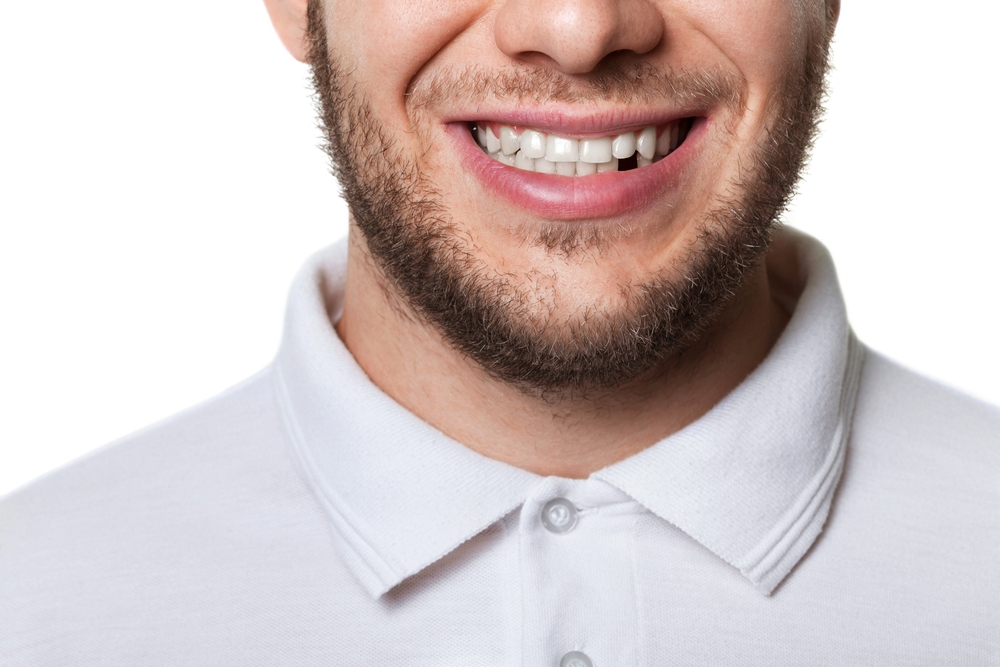
What Happens If I Don’t Replace Missing Teeth? The Risks of Waiting
didsburyadmin2024-12-15T16:56:26+00:00Missing teeth can have more consequences than just affecting your smile. If left unaddressed, the gaps can lead to a variety of oral health problems, from bone loss to bite misalignment and even difficulty eating. We’ll explore the risks of waiting to replace missing teeth and why timely restoration is essential for your long-term health.
Why Replacing Missing Teeth Is Essential for Oral Health
Replacing missing teeth is essential for maintaining optimal oral health and overall well-being. Missing teeth can significantly impact both the functionality and aesthetics of the mouth, disrupting eating and speaking. Failing to replace missing teeth can lead to jawbone loss, shifting teeth, and gum disease, ultimately affecting your oral health and facial structure.
When teeth are absent, the ability to chew food properly diminishes, leading to potential nutritional deficiencies and digestive problems. Moreover, gaps in the teeth may cause neighbouring teeth to shift into the empty space, resulting in misalignment and bite issues. This can exacerbate wear and tear on remaining teeth and lead to further dental problems.
The absence of teeth also contributes to bone loss in the jaw. When teeth are missing, the jawbone no longer receives the stimulation it requires from chewing, leading to gradual bone resorption. This not only weakens the structural integrity of the jaw but can also alter facial contours, resulting in a prematurely aged appearance.
Beyond the physical implications, missing teeth can affect speech and self-confidence. Pronunciation may become difficult, and people with missing teeth often feel self-conscious about their smile, impacting social interactions and mental health, as they become more anxious and reclusive.
Modern dentistry offers several solutions for replacing missing teeth, including dental implants, bridges, and dentures. Each option helps restore oral functionality, prevent further complications, and improve aesthetics. Dental implants, in particular, provide a long-lasting and natural-looking replacement by integrating with the jawbone, preserving its density.
Timely replacement of missing teeth is vital to maintain oral health, functionality, and quality of life, emphasising the importance of consulting a dental professional to explore suitable restoration options.
Top 5 Risks of Not Replacing Missing Teeth

Not replacing your missing teeth can carry risks. While you may be put off going to the dentist for anxiety-related or financial reasons, replacing your teeth can be worth it to avoid the following risks:
- Risk 1: Jawbone Deterioration
- Risk 2: Shifting Teeth and Bite Misalignment
- Risk 3: Increased Risk of Gum Disease and Decay
- Risk 4: Changes in Facial Appearance and Speech
- Risk 5: Impact on Overall Health and Nutrition
Let’s take a look at each in more detail.
Risk 1: Jawbone Deterioration
Jawbone deterioration occurs when missing teeth are not replaced, as the jawbone lacks the stimulation provided by chewing. This leads to bone resorption, weakening the jaw’s structure and reducing its density. Over time, this can cause facial sagging, altering your face structure and contributing to the appearance of premature ageing.
Additionally, it may complicate future dental treatments, impact speech, and hinder chewing ability, leading to poor nutrition. Addressing missing teeth promptly with dental implants or other restorations helps prevent jawbone loss and preserves oral health.
Risk 2: Shifting Teeth and Bite Misalignment
When teeth are missing, the surrounding teeth may shift into the empty space over time, leading to bite misalignment. This condition, known as malocclusion, can increase the risk of temporomandibular joint (TMJ) disorders, uneven tooth wear, and jaw pain. Misaligned teeth are also harder to clean, raising the chances of tooth decay and gum disease.
Additionally, bite misalignment can affect speech, chewing efficiency, and overall oral functionality. Over time, these issues may compromise both oral health and quality of life. Replacing missing teeth with options like dental implants or bridges prevents shifting, ensuring a stable bite and beautiful smile.
Risk 3: Increased Risk of Gum Disease and Decay
Missing teeth create gaps that can trap food particles and harbour bacteria, increasing the risk of gum disease and tooth decay. Adjacent teeth are more vulnerable to plaque buildup due to harder-to-reach areas. Gum disease, if left untreated, can progress to periodontitis, leading to bone loss and further tooth loss.
Decay and gum infections may also cause discomfort, bad breath, and systemic health issues like cardiovascular disease. These complications can diminish the quality of life by affecting eating, speaking, and confidence. Replacing missing teeth helps maintain oral hygiene, prevents disease, and supports long-term oral and overall health.
Risk 4: Changes in Facial Appearance and Speech
Missing teeth can lead to noticeable changes in facial appearance and speech. Without teeth, the jawbone deteriorates over time, causing facial sagging and a sunken appearance that makes people look older. The loss of teeth also affects lip and cheek support, further altering facial contours.
Speech may be impaired as teeth play a crucial role in articulating certain sounds. Difficulty pronouncing words clearly can lead to self-consciousness and social withdrawal. These changes not only impact confidence and communication but also contribute to emotional distress.
Risk 5: Impact on Overall Health and Nutrition
Not replacing missing teeth can significantly impact overall health and nutrition. Without proper chewing ability, individuals may struggle to eat a balanced diet, often avoiding healthy foods like fruits, vegetables, and whole grains that require more chewing. This can lead to nutritional deficiencies and digestive issues.
The inability to chew efficiently may also cause discomfort and difficulty enjoying meals. Furthermore, poor nutrition can weaken the immune system, increase susceptibility to illness, and hinder recovery from medical conditions. Replacing missing teeth restores chewing function, ensuring access to a healthy, balanced diet and supporting overall well-being.
Options for Replacing Missing Teeth

Replacing missing teeth is crucial for maintaining oral health, functionality, and aesthetics. There are several options available, each with its benefits depending on individual needs:
- Dental Implants
- Bridges
- Dentures
- Resin-Bonded Bridges
Dental implants are titanium posts surgically placed in the jawbone to act as artificial tooth roots, offering a permanent solution. They are durable, look natural, and prevent bone loss. They are not available on the NHS, so can only be paid for privately.
Bridges are prosthetic devices that fill the gap left by missing teeth. Bridges use adjacent healthy teeth for support, offering stability and functionality, but may require altering surrounding teeth.
Dentures are removable appliances that replace multiple or all missing teeth. They can be full (for complete tooth loss) or partial (for some missing teeth) and are a more affordable option but may be less stable than implants or bridges.
Resin-bonded bridges are a conservative option, often used for front teeth, where wings are bonded to adjacent teeth for support. They are less invasive but might not be as durable as other options.
A consultation with a dentist helps determine the most suitable option for your oral health needs.
How Didsbury Dental Practice Can Help with Tooth Replacement

Didsbury Dental Practice offers expert care and a range of options to help replace missing teeth, ensuring both functional and aesthetic results tailored to your needs. The 24-hour private practice provides dental implants, which are a durable, long-lasting solution that integrates seamlessly with the jawbone, preventing bone loss and maintaining facial structure. For patients who may not be suitable for implants, Didsbury also offers bridges and dentures, providing customised solutions for partial or full tooth replacement.
The team at Didsbury Dental Practice is dedicated to delivering top-quality care, using the latest technology and techniques to ensure optimal results. What sets them apart is their focus on comprehensive aftercare.
Aftercare is crucial to the success of any dental restoration, and Didsbury Dental Practice ensures patients receive ongoing support and guidance post-treatment. This includes regular check-ups, professional cleaning, and personalised advice on maintaining oral hygiene, something that is often lacking with overseas treatments, such as those in Turkey.
Choosing Didsbury Dental Practice means investing in long-term oral health, with a team that prioritises your well-being before, during, and after treatment, offering peace of mind that goes beyond the procedure itself.
Contact Didsbury Dental Practice for Help Today!
Don’t wait to replace missing teeth protect your oral health and confidence with expert care from Didsbury Dental Practice. Become a new patient and schedule your consultation today!
Check out: