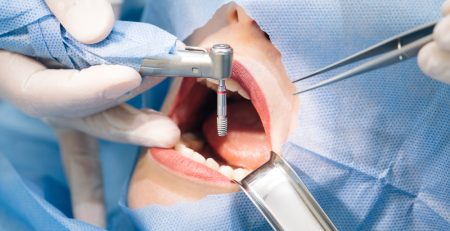
Are Dental Implants Safe for People With Pre-Existing Conditions
didsburyadmin2024-12-23T09:30:20+00:00Dental implants can offer a permanent solution for missing teeth, but people with pre-existing conditions may have concerns. We’ll look at the safety and considerations of dental implants for such individuals.
Risk Factors for Dental Implant Surgery
Dental implant surgery is a widely used procedure for replacing missing teeth, but like any surgical intervention, it carries potential risks and complications. Recognising these risks can help patients make informed decisions, as dentists can advise on the likelihood of these risks for each individual.
Some risks of dental implant surgery include:
- Infection and Poor Healing
- Implant Failure
- Nerve Damage
- Sinus Problems
- Bone Loss and Peri-Implantitis
- General Surgical Risks
It’s important to note that these risks are generally rare, and you can reduce your chances of any complications post-extraction by following your dentist’s guidance on aftercare.
After a tooth extraction, the surgical site may become infected, particularly if proper oral hygiene is not maintained. Smoking and systemic conditions like diabetes can hinder healing, increasing the risk of complications. In rare cases, the implant may fail to integrate with the jawbone due to insufficient bone density or poor placement. This can lead to instability and eventual implant failure, although people with low bone density will be advised of this risk in advance.
Improper implant positioning can also result in nerve damage, causing pain, numbness, or tingling in the lips, chin, or tongue. This risk is especially relevant in lower jaw implants due to the proximity of the inferior alveolar nerve. When implants are placed in the upper jaw, however, they can protrude into the sinus cavity, potentially causing sinus infections or discomfort.
Bone loss around the implant and peri-implantitis (inflammation of the tissues surrounding the implant) can occur due to poor oral hygiene, smoking, or misaligned implants.
As with any surgery, there is a small risk of bleeding, swelling, or adverse reactions to anaesthetic.
While dental implants boast a high success rate, proper pre-surgical assessment, skilled execution, and diligent aftercare are crucial to minimising these risks and ensuring long-term success.
Pre-Existing Medical Conditions and Dental Implants

Dental implant surgery is a common solution for tooth replacement, but its success can be influenced by pre-existing medical conditions. These conditions may affect healing, bone integration, and overall surgical outcomes, making it crucial for patients to consult with their healthcare providers and dental surgeons before undergoing the procedure.
Certain medical conditions can compromise the immune system, impair blood clotting, or affect bone density and regeneration, all of which are critical to successful dental implantation. Conditions such as autoimmune disorders, bleeding disorders, and those requiring long-term medications (e.g. immunosuppressants or steroids) can increase the risk of complications. Similarly, conditions that reduce the body’s capacity to fight infection or heal properly may impact the implant’s success.
The most common risks of having dental implants if you have a pre-existing medical condition are:
- Delayed Healing
- Bone Health
- Medication Interactions
- Compromised Immunity
Comprehensive medical evaluation and a tailored treatment plan are vital. Dentists may collaborate with the patient’s medical specialists to assess risks, adjust medications, and optimise the surgical environment.
By addressing these factors proactively, many individuals with pre-existing medical conditions can still achieve successful dental implant outcomes with proper planning and care.
Safety of Implants for Diabetic Patients
Dental implants can be a safe option for patients with diabetes, but the success of the procedure depends largely on how well the condition is controlled. For individuals with controlled diabetes, the risks associated with dental implants are minimal, however, you should still inform your dentist of your condition.
Effective blood sugar management supports proper healing and reduces the risk of complications such as infection or poor osseointegration, where the implant fuses with the jawbone. So, for those with uncontrolled diabetes, there is a heightened risk as elevated blood sugar levels can impair wound healing, increase inflammation, and the risk of infection, potentially leading to implant failure.
To enhance safety, patients should speak to their GP and dental surgeon to ensure dental implant surgery is safe and blood sugar levels are stabilised prior to surgery.
Proper oral hygiene, regular follow-ups, and adherence to medical advice are essential for mitigating risks and ensuring successful outcomes for all patients.
Dental Implants and Heart Conditions
Dental implants can be a safe option for patients with heart conditions, but careful planning and medical consultation are essential. Certain heart conditions, such as those requiring anticoagulant therapy or involving compromised heart function, can increase surgical risks, including excessive bleeding or infection. For patients with a history of endocarditis, there is an elevated risk of bacterial infection spreading to the heart, especially during procedures involving the gums.
To minimise risks, dental surgeons often collaborate with cardiologists to adjust medications and ensure the patient’s condition is stable before surgery. Certain antibiotics may be recommended for patients at high risk of infection. During the procedure, local anaesthetic is generally preferred over general anaesthetic for most dental implants, but particularly for those with cardiovascular issues.
After surgery, maintaining excellent oral hygiene and adhering to prescribed medications are critical. With proper precautions and coordinated care, most patients with heart conditions can safely undergo dental implant surgery.
Key Factors to Consider When Getting Dental Implants with Health Conditions
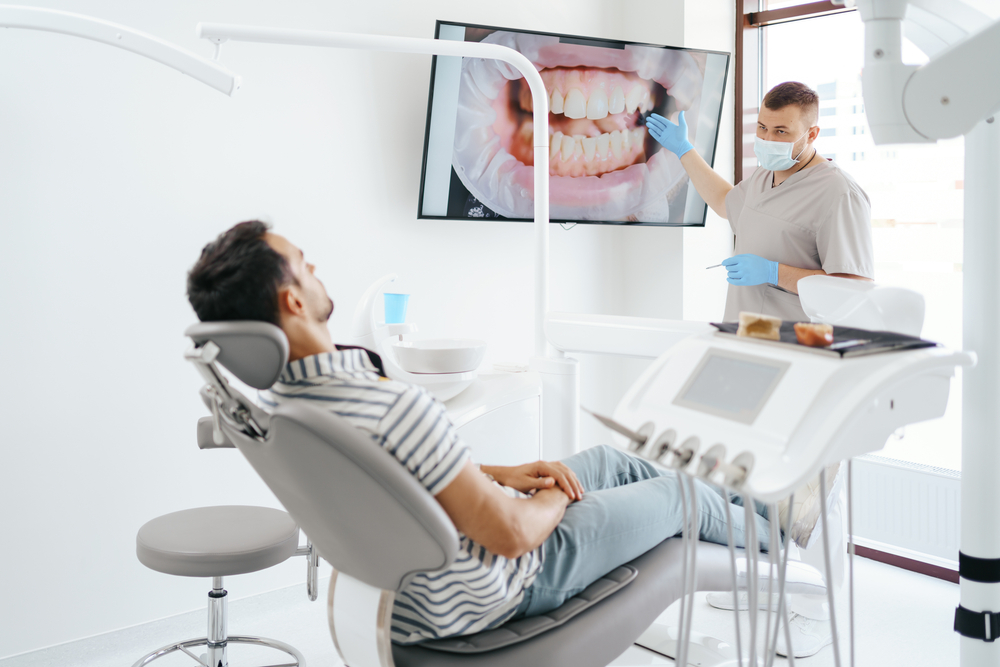
Dental implants can be safe for people with pre-existing conditions like diabetes or heart disease, provided proper medical evaluations and precautions are taken. While these conditions can affect healing and increase the risk of complications, advances in dental technology and personalised care have made it possible for many individuals to successfully undergo the procedure. The key lies in thorough planning and close collaboration between dental and medical professionals.
A critical factor is the patient’s overall health stability. Conditions such as autoimmune disorders, bleeding disorders, or bone-related issues may require additional medical management before surgery. For example, controlled diabetes or stabilised heart conditions reduce surgical risks significantly, while uncontrolled conditions may compromise healing or increase infection risk, so should be stabilised as much as possible before undergoing any type of procedure.
Proper blood sugar control, medication adjustments, or pre-surgical cardiac evaluations are often essential steps.
Medication interactions must also be carefully reviewed. Drugs like anticoagulants or immunosuppressants can complicate surgery and recovery, so temporary medication adjustments, under the guidance of a healthcare provider, can be used to minimise risks like excessive bleeding or delayed healing.
Bone health is another vital consideration. Many pre-existing conditions can lead to reduced bone density, which may affect the implant’s ability to integrate securely with the jawbone. Bone grafting procedures or alternative tooth replacements may be necessary in such cases.
Finally, patients must commit to excellent post-operative care. This includes:
- Proper oral hygiene
- Regular dental check-ups
- Adherence to medical advice
- Refraining from alcohol and smoking
- Sticking to a recommended diet
By addressing these factors and maintaining open communication with their healthcare team, individuals with health conditions can safely benefit from the improved function and aesthetics dental implants provide.
Why Choose Didsbury Dental Practice for Safe Implant Solutions

Choosing Didsbury Dental Practice for your dental implant ensures you receive care in a professional, safe, and patient-focused environment. As a private practice, we prioritise personalised treatment plans tailored to your specific needs, ensuring every aspect of your dental health is considered. Our team of highly trained specialists boasts extensive expertise in dental implant procedures, offering safe solutions even for patients with pre-existing health conditions.
Safety is at the heart of our approach. We conduct thorough evaluations, collaborate with medical professionals when necessary, and employ advanced technology to deliver precise, effective treatments. Beyond the surgery, we provide comprehensive advice and guidance for aftercare, helping you manage recovery with practical tips for oral hygiene, proper nutrition, and effective pain relief options to ensure a smooth healing process.
At Didsbury Dental Practice, we understand that life can be unpredictable. That’s why we offer 24-hour appointments and emergency treatment, giving you peace of mind that our dedicated team is available when you need us most. Whether you’re considering dental implants to improve your smile or replace missing teeth, our commitment to excellence, patient care, and accessibility makes us the trusted choice for safe, high-quality implant solutions.
Contact Didsbury Dental Practice!
Concerned about getting dental implants with a pre-existing condition? Contact Didsbury Dental Practice today for expert guidance and tailored treatment plans to ensure your safety and comfort, or become a new patient today.