Do Dental Implants Last Forever?
didsburyadmin2025-01-15T11:36:43+00:00Discover the truth about dental implants – how long they last, what affects their longevity, and tips to maximise their lifespan.
Are Dental Implants Permanent?
Dental implants are a popular and effective solution for replacing missing teeth, offering durability, functionality, and a natural appearance. They consist of a titanium post surgically inserted into the jawbone, an abutment, and a dental crown. The titanium post integrates with the bone through a process called osseointegration, creating a stable and long-lasting foundation.
Dental implants are designed to last a lifetime with proper care, although the crown may need replacement after 10-15 years due to natural wear. This longevity is largely attributed to the biocompatibility of titanium and its ability to fuse with bone. However, the implant’s lifespan depends on several factors, including oral hygiene, regular dental check-ups, and lifestyle choices such as avoiding smoking and excessive alcohol consumption.
While the implant post is highly durable, surrounding tissues can be affected by conditions like peri-implantitis, a gum infection that can compromise the implant’s stability. Maintaining good oral hygiene and addressing any dental issues promptly are essential for ensuring the implant remains functional.
In rare cases, an implant may fail due to inadequate bone support, improper placement, or excessive bite forces. However, advances in technology and technique have significantly reduced these risks. If failure occurs, the implant can often be replaced after addressing the underlying issue.
Dentists will perform thorough examinations pre-surgery to determine the viability of dental implants, as they’re not suitable for all. If you have receding gums or gum disease, you’ll need to have these treated before considering dental implants. Similarly, if you’ve been wearing dentures for many years, you may have experienced some loss in bone density that may impact the viability of dental implants.
Overall, dental implants are a reliable and permanent solution when combined with proper maintenance and regular dental care, offering a long-lasting alternative to traditional dentures or bridges.
How Long Do Dental Implants Typically Last?
A dental implant consists of a screw implanted into the jaw and a crown placed over the top to resemble a real tooth in function and aesthetics. Dental implants can last a lifetime with proper care, however, the crown may need replacement after 10-15 years. This is a much less invasive procedure than the dental implant itself.
You can also prolong the overall life of your crown with due care, such as good oral hygiene and a healthy diet.
Top Factors That Affect Dental Implant Longevity:
- Oral hygiene practices and maintenance
- Regular dental check-ups and professional cleanings
- Quality of implant materials used
- Proper placement and surgical technique
- Gum and overall oral health
- Bone density and support around the implant
- Avoidance of smoking and excessive alcohol consumption
- Management of teeth grinding (bruxism)
- Healthy diet and lifestyle choices
- Control of chronic conditions like diabetes
Tips for Maintaining Dental Implants for Longevity
Maintaining dental implants properly is essential for ensuring their longevity and continued functionality. While dental implants are designed to be a long-term solution, proper care and maintenance are critical to prevent complications and preserve both the implant and surrounding oral structures.
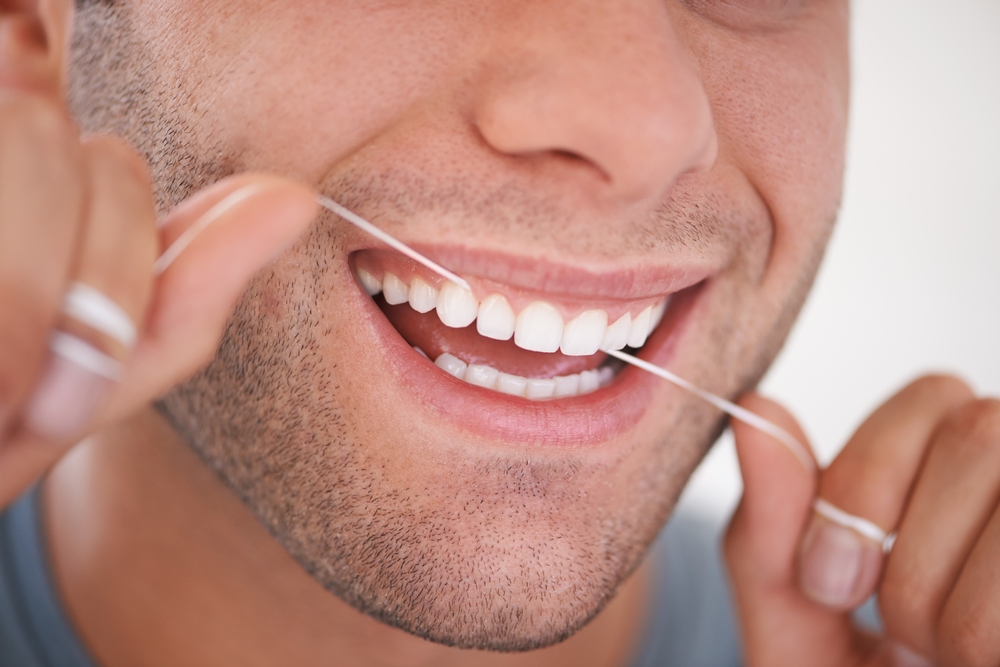
The cornerstone of implant care is excellent oral hygiene. Brush your teeth twice daily using a soft-bristled toothbrush and a non-abrasive toothpaste to prevent plaque buildup around the implant. Flossing is equally important to clean areas where food particles and bacteria may accumulate. Special implant-friendly floss or interdental brushes can be particularly effective.
Regular dental check-ups are essential for monitoring the health of your implant. Your dentist will assess the surrounding bone and gum tissues to ensure they remain healthy and free of infection. Professional cleanings can also remove any hardened plaque that might compromise the implant.
Avoid habits that can place undue stress on your implants. For instance, teeth grinding (bruxism) can damage the implant and surrounding structures; wearing a custom night guard can help protect them. Smoking and excessive alcohol consumption can slow healing and increase the risk of implant failure, so minimising these behaviours is crucial.
A balanced diet rich in calcium and vitamin D supports bone health, which is vital for implant stability. Additionally, staying hydrated helps maintain oral moisture levels, reducing bacterial growth.
By incorporating these tips into your daily routine, you can significantly extend the lifespan of your dental implants and enjoy their benefits for many years.
Oral Hygiene Essentials
- Brush twice a day (first before breakfast)
- Floss once a day
- Rinse with mouthwash
- Visit your dentist at least once a year
- Visit your dental hygienist at least once every six months
What Happens If a Dental Implant Fails?
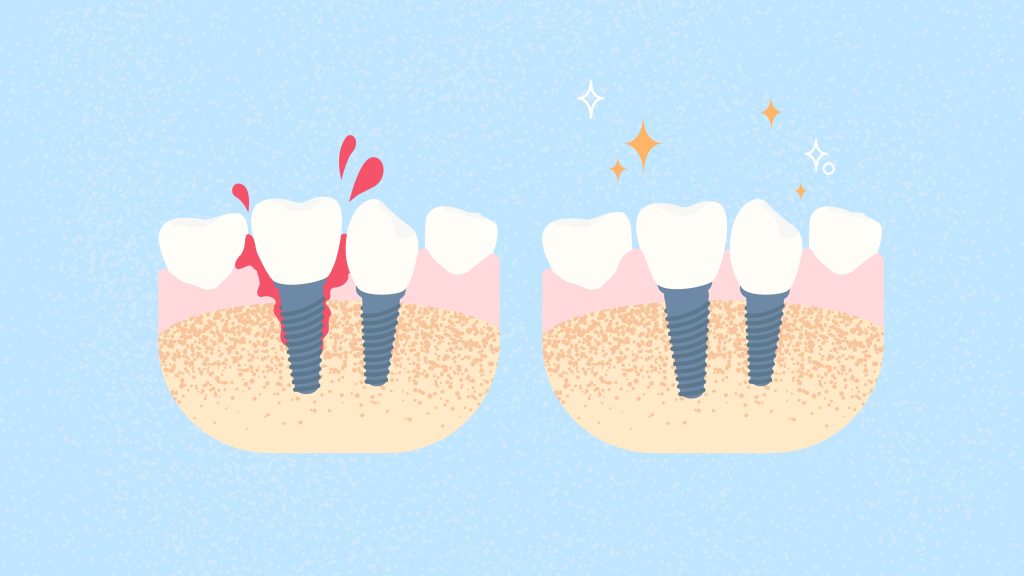
Although dental implants are highly reliable, there are instances where an implant can fail. Implant failure typically occurs within the first few months after surgery, during the healing and osseointegration process, when the titanium post fails to fuse properly with the jawbone. Failure can also occur years later, often due to infection, bone loss, or mechanical stress.
If a dental implant fails, the first sign is often pain, instability, or swelling around the implant site. In some cases, there may be noticeable movement of the implant or a loosening of the dental crown. If you suspect your dental implant has an issue, it is crucial to consult your dentist immediately for evaluation and a proper diagnosis.
A failed implant may need to be removed, and the underlying issues addressed before a new implant can be placed.
There are several reasons a dental implant may fail, including:
- Infection (peri-implantitis)
- Inadequate bone density
- Poor surgical placement
- Excessive stress on the implant due to teeth grinding or misalignment
Lifestyle factors such as smoking and untreated health conditions like diabetes can also contribute to failure by interfering with the body’s ability to heal and maintain strong bone support.
Resolving the issue of a failed dental implant depends on the cause of the failure. In many cases, your dentist will perform imaging tests to assess the implant site and bone quality. If necessary, the implant can be removed and the area given time to heal before a new one is placed.
Bone grafting may be recommended if bone loss is a factor. Prompt treatment, good oral hygiene, and addressing contributing factors can improve the chances of successful implant replacement. However, if dental implants aren’t the right choice for you, your dentist will discuss alternative treatments to replace missing teeth to improve your quality of life.
Why Choose Didsbury Dental Practice for Implant Care?

Choosing Didsbury Dental Practice for your dental implant care offers numerous benefits, especially when compared to getting treatment abroad. Didsbury Dental Practice is renowned for its expertise, offering high-quality implant procedures tailored to each patient’s needs. Their skilled team provides excellent care and thorough guidance before, during, and after the procedure, ensuring that you fully understand the process and are well-prepared for a smooth recovery.
While dental implants in countries like Turkey may seem more affordable, there are risks associated with lower health and safety standards. Treatment abroad often means you may not receive the same level of personalised care or follow-up attention.
Additionally, receiving medical treatment as part of a holiday means you are in charge of your own aftercare. If complications arise or you have concerns, it can be challenging to return to the foreign clinic for follow-up appointments, leaving you without local support. It may also be difficult to find a dentist in the UK to treat your dental implant that was completed abroad.
By choosing to have your dental surgery at Didsbury Dental Practice, you benefit from ongoing support, professional aftercare, and a team that is invested in your long-term oral health. Their commitment to maintaining the highest standards of safety and care ensures you receive the best possible outcome, offering peace of mind and convenience that is hard to match elsewhere in the UK or when opting for treatment abroad.
Book Your Appointment with Didsbury Dental Practice Today!
Didsbury Dental Practice is dedicated to providing exceptional care for new patients, offering expert private dentistry services in a comfortable setting. Whether you need a 24-hour dentist for emergencies or detailed information about treatment fees, we’re here to help. For all your private dentistry needs and answers to FAQs, trust Didsbury Dental Practice for personalised, reliable care.
Ready to invest in a long-lasting smile? Contact Didsbury Dental Practice today to learn more about dental implants and schedule your consultation.