Is It Too Late to Get Dental Implants? Understanding Your Options
didsburyadmin2025-02-05T09:37:31+00:00Are you wondering if it’s too late to get dental implants? Whether you’ve lost teeth recently or years ago, dental implants might still be a viable solution for restoring your smile. We’ll explore the factors that determine eligibility, including jawbone density, gum health, and overall health, along with alternative options if needed.
What Are Dental Implants and How Do They Work?
Dental implants are a modern solution for replacing missing teeth, designed to function like natural teeth both in appearance and function.
They consist of three main components:
- A titanium post
- An abutment
- A crown
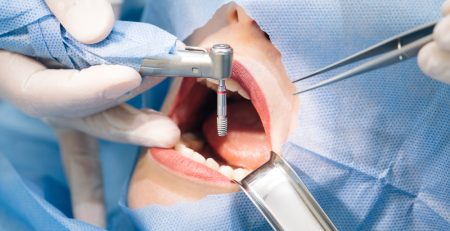
The titanium post is surgically placed into the jawbone, where it serves as an artificial root. Over time, the bone integrates with the implant through a process called osseointegration, creating a stable foundation. Once healing is complete, an abutment is attached to the implant, connecting it to a custom-made crown that mimics the shape and colour of a natural tooth.
The process of getting a dental implant typically occurs in multiple stages. First, the dentist assesses the patient’s oral health and bone density to determine if they are a suitable candidate.
If the jawbone lacks sufficient density, a bone graft may be required before implantation. Once the titanium post is placed, a healing period of several months allows for osseointegration. After this, the abutment is secured, followed by the placement of the final crown.
Dental implants offer several advantages over traditional tooth replacement options. Unlike dentures, they are fixed in place, providing stability and comfort. They also prevent bone loss by stimulating the jaw, much like natural tooth roots.
Additionally, implants do not rely on adjacent teeth for support, preserving overall dental health. With proper care, including good oral hygiene and regular dental visits, implants can last a lifetime. While the process requires time and investment, the long-term benefits make dental implants a preferred choice for those seeking a durable and natural-looking solution for tooth loss.
Is There a Time Limit for Getting Dental Implants?

There is no strict time limit for getting dental implants, but certain factors can affect the success of the procedure. Tooth loss leads to gradual bone deterioration in the jaw, as the bone no longer receives stimulation from natural tooth roots. Over time, significant bone loss can make implant placement more challenging, however, modern dental techniques allow for solutions even in cases of severe bone loss.
It’s rarely too late for dental implants, but factors like bone density and oral health may require additional procedures, such as bone grafting, to ensure implant success. Bone grafting helps rebuild lost bone, creating a stable foundation for the implant. This procedure can extend the timeline for receiving an implant but significantly improves long-term success rates.
Delaying dental implants can also impact oral health. Adjacent teeth may shift into the empty space, leading to bite misalignment and potential gum issues. Additionally, missing teeth can contribute to facial sagging over time due to bone resorption. Seeking timely consultation with a dentist ensures a personalised treatment plan that addresses any challenges before they become more complex.
Ultimately, while there is no definitive expiration date for dental implants, acting sooner rather than later can simplify the process and improve outcomes. Even if significant time has passed since tooth loss, advancements in dental technology make implants a viable option for most patients with the right preparatory treatments.
Key Factors That Determine Implant Eligibility
The three key factors that determine dental implant eligibility are:
- Jawbone density
- Gum health
- Overall health
Jawbone Density
Jawbone density is a crucial factor in dental implant eligibility because the implant must fuse with the bone to provide stability. If the jawbone lacks sufficient density, it may not support the implant properly, leading to failure. Bone loss often occurs after tooth loss, making early intervention beneficial.
However, patients with low bone density may still receive implants through bone grafting, which restores lost bone and strengthens the area for implantation. A dentist evaluates bone quality using imaging techniques to determine suitability. Ensuring adequate jawbone density improves implant success rates and longevity, making it a key consideration in treatment planning.
Gum Health
Gum health is essential for dental implant success because healthy gums provide a stable environment for healing and integration. Conditions like periodontal disease can lead to gum inflammation, infection, and bone loss, compromising the implant’s stability. Before implantation, any signs of gum disease must be treated to prevent complications.
Poor gum health increases the risk of peri-implantitis, an infection that can cause implant failure. Regular dental checkups and proper oral hygiene help maintain gum health, ensuring long-term implant success. A dentist evaluates gum condition before proceeding, as strong, disease-free gums are crucial for supporting and protecting the implant.
Overall Health
Overall health plays a significant role in dental implant eligibility, as certain medical conditions can impact healing and implant success, such as:
- Uncontrolled diabetes
- Autoimmune disorders
- Osteoporosis
These can all slow healing and increase the risk of implant failure. Smoking and excessive alcohol consumption also hinder recovery by reducing blood flow and bone integration. Additionally, medications like bisphosphonates may affect bone healing.
A thorough medical evaluation helps determine if modifications or precautions are needed before implantation. Maintaining good overall health, managing chronic conditions, and following post-surgical care guidelines improve the chances of successful implant integration and long-term durability.
Can Seniors Get Dental Implants?

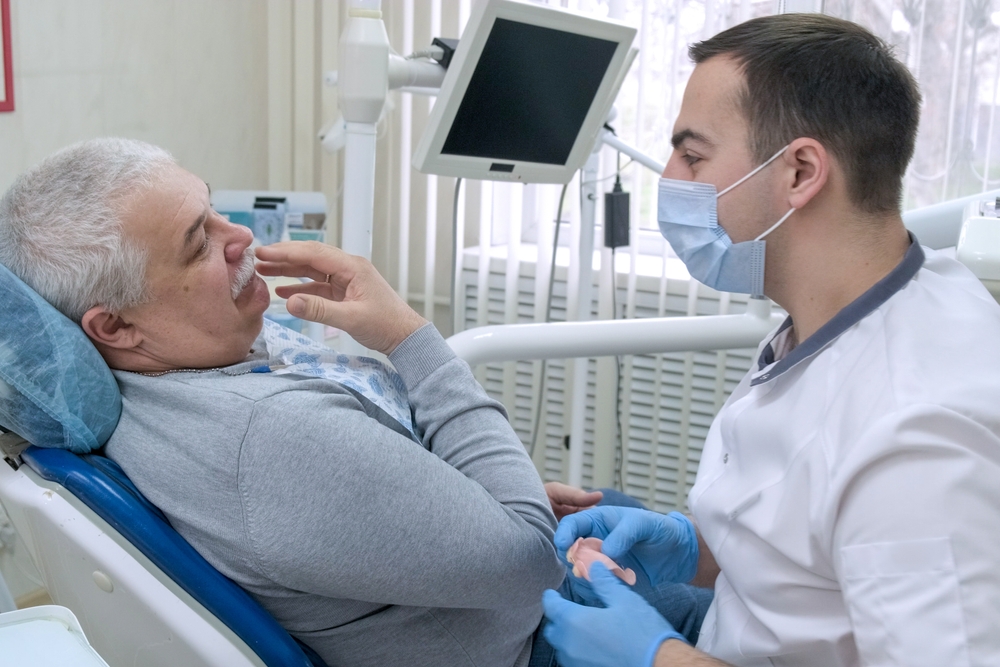
Seniors can get dental implants, and age alone is not a limiting factor. As long as a patient is in good overall health and has sufficient jawbone density, implants can be a viable tooth replacement option. Unlike traditional dentures, which can become loose over time, implants provide a stable and long-lasting solution, improving chewing ability, speech, and confidence.
One challenge seniors may face is bone loss, which naturally occurs with age, especially after prolonged tooth loss. However, procedures like bone grafting can rebuild the jawbone, making implantation possible. Additionally, pre-existing conditions such as diabetes or osteoporosis do not automatically disqualify a patient, but they may require careful management to ensure proper healing. A thorough medical and dental evaluation is essential to assess suitability and plan any necessary preparatory treatments.
Dental implants offer numerous benefits for seniors, including preventing further bone loss, maintaining facial structure, and eliminating the discomfort associated with removable dentures. With proper care, they can last a lifetime, providing a permanent and functional replacement for missing teeth. Consulting with a dentist helps determine the best approach for each individual, ensuring that age does not prevent anyone from enjoying the advantages of dental implants.
Exploring Alternatives to Dental Implants
For individuals who are not candidates for dental implants, several alternative tooth replacement options exist. Traditional dentures, both full and partial, are a common solution, providing an affordable and non-surgical way to restore missing teeth. However, they may lack the stability and comfort of implants.
Another option is dental bridges, which use adjacent teeth as support to fill the gap left by a missing tooth. Bridges are a fixed solution but require the modification of surrounding healthy teeth.
Ultimately, the best alternative depends on individual needs, oral health, and bone structure. Consulting with a dentist ensures a tailored solution, whether through implants, dentures, bridges, or specialised procedures for severe bone loss.
How Didsbury Dental Practice Can Help Restore Your Smile
Didsbury Dental Practice is dedicated to providing exceptional care to help you regain comfort and confidence in your smile. Operating a 24-hour clinic, they welcome new patients and ensure accessible, top-quality care for all, from routine check-ups to emergency treatment, with 100% transparent treatment fees.
Didsbury Dental Practice provides expert aftercare for your dental implants, offering guidance on proper cleaning, what foods to eat and what to avoid, and how to manage healing. Their team helps you recognise potential complications and advises you when to seek professional help, ensuring long-term implant success and optimal oral health.
Contact Didsbury Dental Practice for Advice!
Think it’s too late for dental implants? Contact Didsbury Dental Practice today to explore your options and restore your smile with expert care.
Or take a look at our other blogs about dental implants, like: