Can You Get Dental Implants With Periodontal Disease
didsburyadmin2025-01-16T21:48:33+00:00Wondering if dental implants are possible with periodontal disease? We’ll explore your options and solutions.
What Is Periodontal Disease and How Does It Affect Dental Implants?
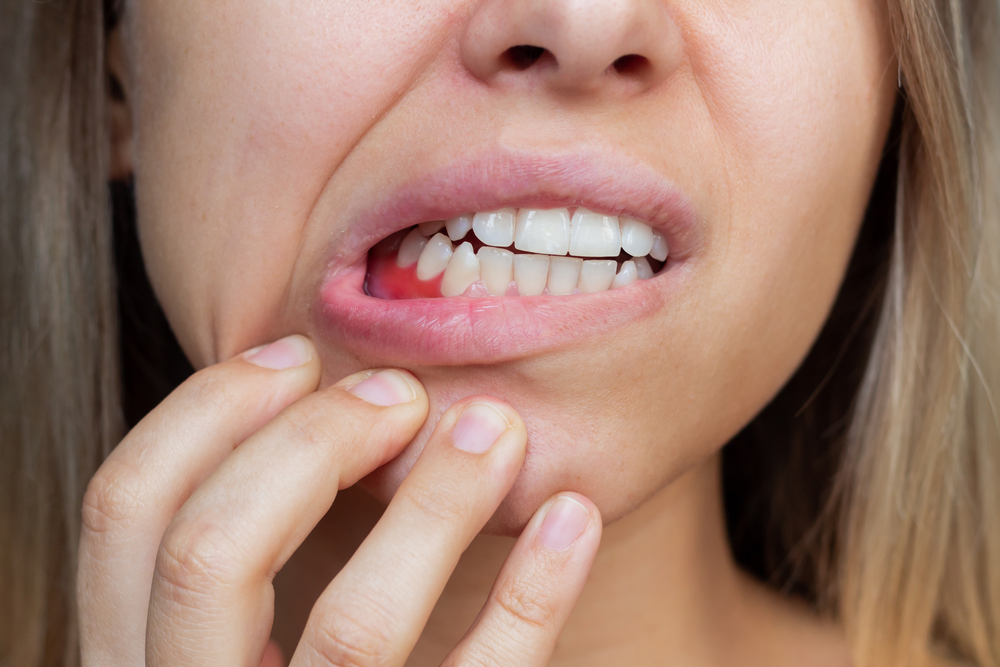
Periodontal disease, also known as gum disease, is a serious infection of the gums caused by harmful bacteria that accumulate on the teeth and gums. It begins as gingivitis, characterised by red, swollen, and bleeding gums, but if left untreated, it can progress to periodontitis, where the infection spreads to the bone supporting the teeth, potentially leading to tooth loss. The main cause of periodontal disease is poor oral hygiene, but other factors can increase the risk of developing the disease, such as:
- Smoking
- Genetics
- Certain medical conditions
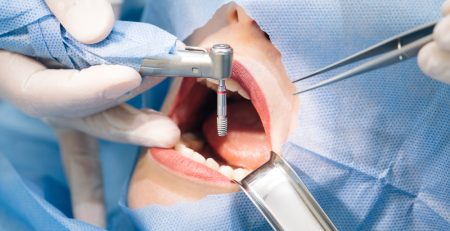
The impact of periodontal disease on dental implants is significant. Dental implants are titanium posts surgically placed into the jawbone to replace missing teeth. However, for implants to be successful, the surrounding gum tissue and bone must be healthy. If periodontal disease is present, the gums may be weak and unable to properly support an implant, while the bone may be too compromised to hold the implant securely.
Patients with periodontal disease can still get dental implants, but successful treatment of gum disease is essential before implant placement to ensure healthy gums and long-term success.
Treating the infection and restoring the health of the gums and bone are crucial steps to improve the chances of implant success. If periodontal disease is left untreated before implant placement, there is an increased risk of implant failure, including infection or bone loss around the implant site.
Therefore, it’s important for patients to work closely with their dentist to first manage any gum disease, allowing for proper healing. Once the infection is controlled and the gums are healthy, dental implants can be considered, with a higher likelihood of lasting success.
Can You Get Dental Implants With Active Gum Disease?
It is generally not recommended to get dental implants while actively suffering from gum disease. Active gum disease, especially periodontitis, weakens the gums and jawbone, making it difficult for implants to integrate properly. Healthy gum tissue and bone are essential for the secure placement and long-term success of implants.
If a patient has active gum disease, it must be treated and controlled before proceeding with dental implant surgery. This typically involves thorough cleaning, scaling, and root planing to remove bacteria and plaque, along with possible antibiotic treatment. Once the infection is resolved and the gums and bone have healed, a dentist will assess whether the bone structure is strong enough to support an implant.
In some cases, bone grafting may be necessary if the gum disease has caused significant bone loss. Therefore, successful implant placement requires healthy gums and sufficient bone density, which can only be achieved once the disease is managed.
Treating Periodontal Disease Before Implant Surgery
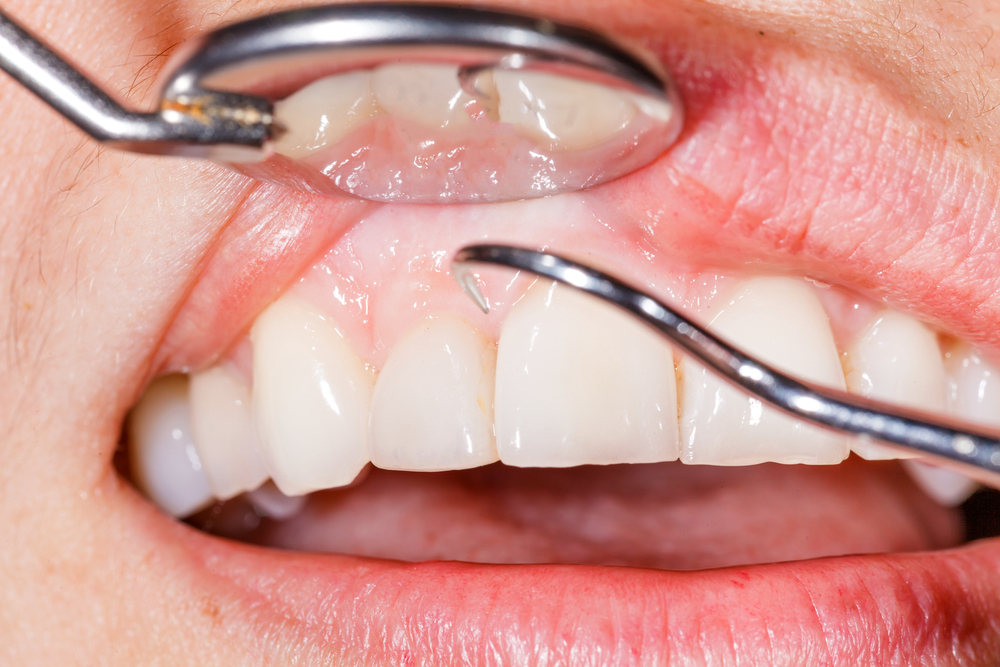
Treating periodontal disease before dental implant surgery is completely necessary for ensuring the success of the implant and the long-term health of the gums and jawbone. Active gum disease can compromise the gums, bone structure, and overall oral health, making it difficult for implants to integrate properly and increasing the risk of implant failure. For this reason, it is essential to address the disease before proceeding with implant surgery.
The treatment of periodontal disease typically involves professional dental care, which includes scaling and root planing. Scaling removes tartar and plaque buildup from above and below the gum line, while root planing smooths the tooth roots to help the gums reattach to the teeth. In some cases, antibiotic therapy may be prescribed to control infection.
Severe cases may require more advanced treatments, such as gum surgery or bone grafting if significant damage has occurred to the gums or bone.
While basic oral hygiene practices, such as regular brushing and flossing, are crucial in preventing and managing early gum disease, treating active periodontal disease on your own is not recommended. It requires professional intervention to effectively remove bacteria and to ensure proper healing before implant placement.
After dental implants are placed, maintaining good oral hygiene is essential to prevent future periodontal issues. Brushing twice a day with fluoride toothpaste, flossing daily, and using an antimicrobial mouthwash can help keep the gums healthy.
Regular check-ups with a dentist or periodontist are also necessary for monitoring implant health and ensuring the gums and bone remain strong. Additionally, avoiding smoking and maintaining a balanced diet can support gum health and help avoid the recurrence of periodontal disease. By following these steps, patients can significantly reduce the risk of complications with their implants.
Key Factors for Implant Success After Gum Disease
The success of dental implants after gum disease depends on several key factors that help ensure proper healing and long-term stability. First and foremost, the treatment and control of periodontal disease are critical. Any active infection in the gums must be fully resolved before implant placement to restore the health of the gums and underlying bone.
Bone density and structure are also essential for implant success. Gum disease can cause bone loss, so a dentist must assess whether the remaining bone is strong enough to support an implant. In some cases, bone grafting may be necessary to rebuild lost bone tissue.
Healthy gum tissue around the implant site is vital for preventing infection and ensuring proper healing. After periodontal disease treatment, the gums should be free from infection and inflammation, which allows the implant to integrate with the bone (osseointegration) properly.
Finally, proper aftercare and maintenance are crucial. Regular dental visits, good oral hygiene practices (such as brushing and flossing), and possibly antimicrobial treatments can help maintain gum health and prevent future infections, ensuring the long-term success of the implant. Avoiding smoking and managing any underlying health conditions can also significantly improve implant outcomes.
However, the first week after the procedure is potentially the most important when considering dental implant aftercare, as your gums and jaw will be sensitive, so you need to do your utmost to protect the area. Eating soft, nutritious foods to support healing, allowing time to rest and recover from the trauma of the initial dental implant procedure, and taking pain relief to make yourself more comfortable are all crucial steps to enable a quick and comfortable recovery from a dental implant.
Alternatives to Dental Implants if Gum Health Is a Concern
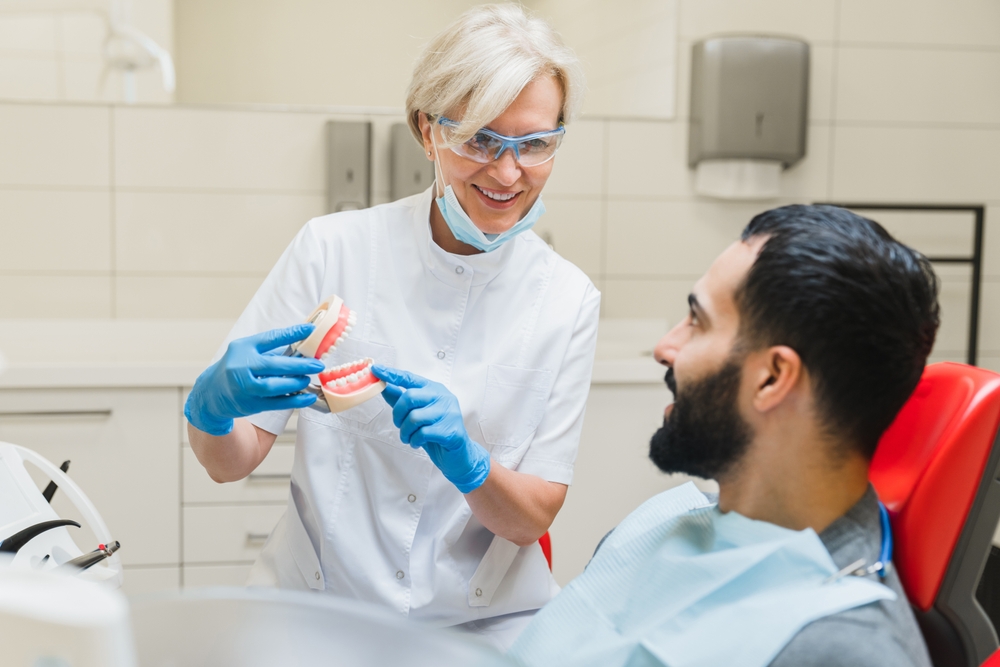
If gum health is a concern, there are several alternatives to dental implants that can provide effective solutions for replacing missing teeth. The choice of treatment depends on the severity of the gum disease, the patient’s overall oral health, and personal preferences.
One common alternative is dental bridges. A bridge involves placing crowns on the adjacent teeth to support a prosthetic tooth that fills the gap left by a missing tooth. Unlike implants, bridges do not require healthy bone tissue, making them a suitable option for those with gum issues. However, the adjacent teeth must be healthy and strong enough to support the bridge.
Dentures are another option, especially for patients who need to replace multiple teeth. They can be full or partial, depending on the number of teeth being replaced. Dentures are removable and can be a more affordable solution, though they may not offer the same level of stability or comfort as implants.
In some cases, residual root retention may be a viable alternative. This involves keeping the remaining root structure of a damaged tooth and placing a crown on top. This option can be considered if the root is still intact and there is no active infection.
Ultimately, the best alternative depends on the patient’s specific situation, and a consultation with a dentist or periodontist is necessary to determine the most appropriate treatment.
Contact Didsbury Dental Practice for Implants Today!
Didsbury Dental Practice is dedicated to providing exceptional care for new patients, offering expert private dentistry services in a comfortable setting. Whether you need a 24-hour dentist for emergencies or detailed information about treatment fees, we’re here to help. For all your private dentistry needs and answers to FAQs, trust Didsbury Dental Practice for personalised, reliable care.
Wondering if dental implants are right for you? Schedule a consultation with Didsbury Dental Practice today to discuss your gum health and implant options!
You can also check out other helpful blogs about dental implants: