
5 Things They Don’t Tell You About Dental Implants
didsburyadmin2025-01-22T12:32:38+00:00Dental implants are life-changing, but did you know they require a healing process called osseointegration and may feel slightly different than natural teeth? We’ll cover everything you don’t know about dental implants to prepare you for the procedure.
5 Things You Didn’t Know About Dental Implants
The best dental practices will tell you in detail about the dental implant procedure and what’s required from your aftercare to get the best out of your new teeth. But there are plenty of things people don’t know or misunderstand about dental implants. We want to change that.
Here are the top 5 things you didn’t know about dental implants, so you can be prepared to get yours.
1. Dental Implants Require Time to Fully Heal
One of the less understood aspects of dental implants is the time required for full healing and integration with the jawbone. The process, known as osseointegration, can take several months as the titanium post fuses with the bone to create a stable foundation for the artificial tooth. While many patients expect to resume normal activities shortly after the initial procedure, the healing phase demands patience and care.
During this time, it’s essential to follow dietary guidelines, which often involve avoiding hard, sticky, or excessively hot foods that could disrupt the implant site. Alcohol and smoking should also be avoided, as they can hinder healing.
Though it may feel restrictive, these precautions are crucial to ensure the long-term success of the implant. Understanding this timeline can help patients approach the process with realistic expectations and the commitment needed for a strong, lasting result.
2. They Can Feel Slightly Different Than Natural Teeth
While dental implants are designed to look and function like natural teeth, they can feel slightly different. Unlike natural teeth, which are anchored by roots connected to nerves, implants are secured directly into the jawbone with titanium posts, so implants lack the sensitivity that natural teeth have to temperature or pressure. For some, this change can take time to adjust to, particularly when chewing or biting.
Additionally, implants may feel more rigid because they do not have a periodontal ligament – a cushion between the tooth and bone. Despite these differences, most patients find that implants quickly become a comfortable and seamless part of their daily lives. But, being aware of this subtle distinction can help set realistic expectations and ensure patients appreciate the long-term benefits of implants without being surprised by the initial adjustment period.
3. Implants Help Prevent Bone Loss in the Jaw
One of the most remarkable benefits of dental implants that also makes them a better option than alternatives like dentures is their ability to prevent bone loss in the jaw. When a tooth is lost, the jawbone in that area no longer receives stimulation from chewing, leading to gradual bone deterioration. Over time, this can cause changes in facial structure.
Dental implants don’t cause this issue as they have artificial tooth roots. The titanium posts stimulate the jawbone during chewing, much like natural teeth, helping to maintain bone density and prevent resorption.
Unlike traditional dentures or bridges, which only replace the visible part of the tooth, implants offer a long-term solution that preserves oral health and facial aesthetics. Understanding this added benefit highlights why implants are an excellent choice for replacing missing teeth and maintaining overall dental well-being.
4. Long-Term Care is Essential for Longevity
Dental implants are renowned for their durability, but their long-term success hinges on proper care – a fact not everyone fully appreciates. Unlike natural teeth, implants are not susceptible to decay, but they can still be compromised by gum disease or poor oral hygiene. Neglecting routine care can lead to peri-implantitis, an inflammatory condition that damages the surrounding bone and tissues, jeopardising the implant’s stability.
Maintaining dental implants requires diligent daily brushing and flossing, as well as regular visits to the dentist for professional cleanings and check-ups. It’s also essential to avoid habits like smoking or grinding teeth, as these can weaken the implant and slow healing. A balanced diet and proper hydration further support oral health and implant longevity.
By committing to consistent oral hygiene, patients can ensure their implants remain a reliable and aesthetically pleasing solution for many years, making them a truly worthwhile investment.
5. Not Everyone is an Immediate Candidate for Implants
While dental implants are an excellent solution for many, unfortunately, not everyone is an ideal candidate. Factors such as receding gums, periodontal disease, and bone loss can impact a person’s ability to undergo the procedure; if the jawbone has been severely affected by these conditions, there may not be enough bone to securely support an implant. This is especially true for those who have worn dentures for an extended period, as dentures can cause further bone resorption.
Pre-existing health conditions can also complicate the process. For example, individuals with diabetes may experience slower healing, while those with immune disorders or inability to undergo anaesthetics may face increased risks.
A thorough evaluation by a dentist is crucial to determine whether a person is suited for implants, and in some cases, additional treatments, such as bone grafting or gum therapy, may be necessary before proceeding. Understanding these factors ensures a safer and more successful outcome.
The Importance of Knowing the Truth About Dental Implants
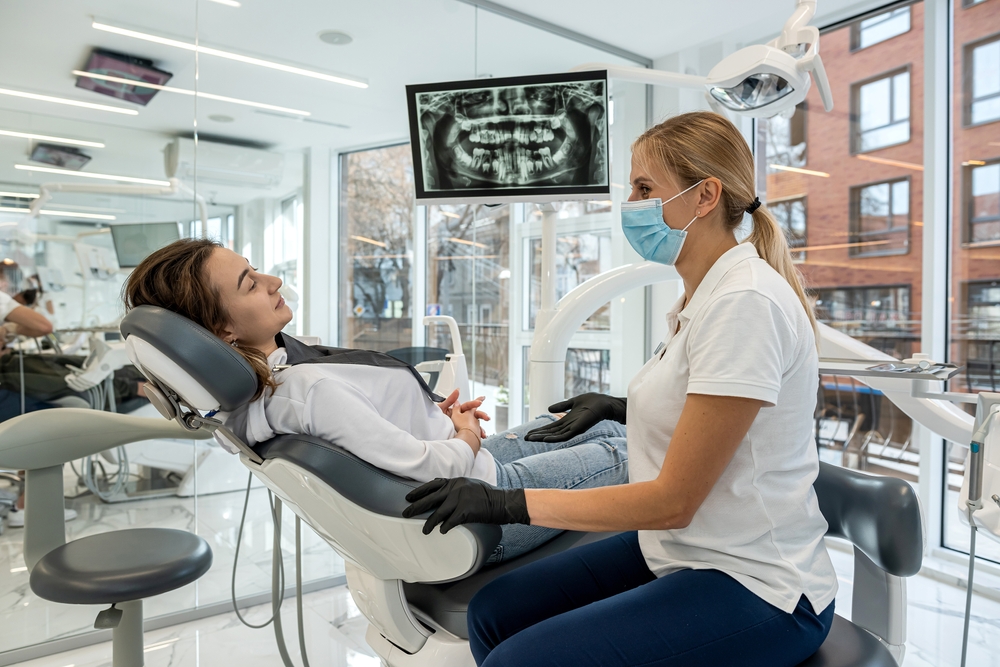
Understanding the truth about dental implants is crucial for anyone considering this procedure, especially when it comes to expectations, potential complications, and long-term care. Many people are drawn to the idea of getting implants abroad due to lower costs, but it’s important to recognise the risks involved.
While dental tourism can seem appealing, it’s vital to ensure the quality of care, the qualifications of the professionals, and the standards of hygiene in the clinics. Poor practices or substandard materials can lead to complications and a failed implant.
Before undergoing the procedure, knowing what to expect is essential. The process typically involves multiple stages, including:
- The initial placement of the implant
- Weeks of healing
- The attachment of the crown
Immediately after the procedure, patients may experience swelling, discomfort, and some difficulty with eating. Following post-operative instructions carefully is also vital to minimise complications.
Long-term care is equally important for the success of the implant. Regular check-ups with a dentist are necessary to ensure the implant is properly maintained, and patients must be diligent about brushing, flossing, and avoiding habits like smoking, which can impair healing. It’s also important to manage any health conditions, such as diabetes, which can affect healing.
By understanding the full scope of the procedure and committing to aftercare, individuals can achieve the best results and ensure their dental implants last for many years with minimal issues.
Alternatives to Dental Implants

While dental implants are a popular and effective solution for replacing missing teeth, they may not be the right choice for everyone due to factors like cost, health conditions, or insufficient bone structure. In such cases, there are alternative options that can restore function and aesthetics.
One common alternative is dentures, which are removable appliances that fit over the gums to replace missing teeth. They can be partial or full, depending on the extent of tooth loss, and are generally more affordable than implants. However, dentures may require adjustments over time and can feel less stable compared to implants.
Another option is dental bridges, which involve attaching artificial teeth to neighbouring natural teeth or implants. Bridges can offer a more secure fit than dentures but still lack the permanence and bone-preserving benefits of implants.
In some cases, not doing anything might seem like an option, but this can lead to significant long-term issues, like shifting of adjacent teeth, misalignment, and bone loss in the jaw. The remaining teeth may also become overloaded, leading to further dental problems, so it’s generally advisable to explore your options to ensure proper function and preserve oral health.
Why Choose Didsbury Dental Practice for Your Implants
Didsbury Dental Practice is dedicated to providing exceptional care to help you regain comfort and confidence in your smile. Operating a 24-hour clinic, they welcome new patients and ensure accessible, top-quality care for all, from routine check-ups to emergency treatment.
Considering dental implants? Contact Didsbury Dental Practice today to learn more about the process and discover if implants are right for you.
Or take a look at our other blogs about dental implants, like: